
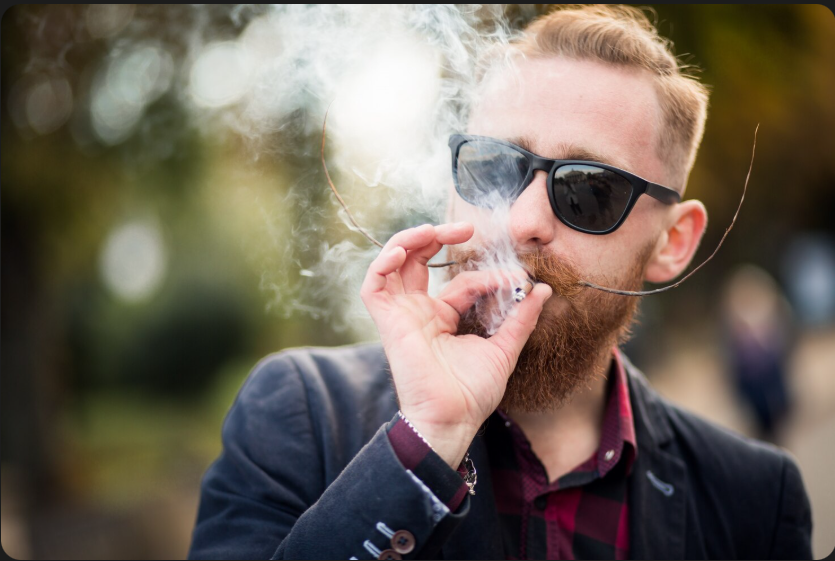
Smoking is often associated with lung disease, heart problems, and other serious health risks. But its effects can also become visible in the mirror.
From premature wrinkles and uneven skin tone to stained teeth and persistent bad breath, smoking can affect several aspects of your appearance. Over time, the chemicals in tobacco smoke can damage the skin, reduce blood flow, and contribute to problems with oral health.
The good news is that quitting smoking can benefit your health at any age. Although some changes may not disappear completely, stopping smoking can help prevent further damage and improve aspects of your appearance and overall well-being.
In this guide, we’ll explore seven ways smoking can affect your looks, explain what may improve after quitting, and share practical steps you can take to care for your skin, smile, and health.
1. Smoking Can Cause Premature Wrinkles
One of the most noticeable ways smoking can affect your appearance is through premature skin aging.
Your skin relies on collagen and elastin to maintain its structure, firmness, and flexibility. Smoking exposes your body to chemicals that can damage these supporting structures and reduce the oxygen and nutrients reaching skin tissues.
Over time, these effects may contribute to:
- Fine lines around the eyes
- Wrinkles around the mouth
- Less firm-looking skin
- A rougher skin texture
- More noticeable signs of aging
The repeated movement of the lips when smoking may also contribute to the appearance of lines around the mouth.
Although everyone develops wrinkles as they age, smoking can make some signs of aging appear earlier or become more pronounced. The extent varies from person to person and depends on factors such as smoking history, sun exposure, genetics, and general health.
What can you do?
If you smoke, quitting is one of the most useful steps you can take to protect your skin from further smoking-related damage.
You can also support your skin by using sunscreen, avoiding excessive sun exposure, getting adequate sleep, and following a gentle skincare routine.
For more ideas on maintaining a healthy appearance as you age, explore our guide to 16 Habits of Women Who Age Gracefully.
Remember that skincare products cannot fully offset the damage caused by smoking. A healthy routine works best alongside steps that protect your overall health.
2. Your Skin May Look Dull or Uneven
Have you noticed that your complexion sometimes looks dull, tired, or uneven?
Smoking may contribute to these changes. Tobacco smoke affects circulation and exposes the body to substances that can cause oxidative stress, which can damage cells and tissues.
As a result, some people who smoke develop a complexion that appears less vibrant, along with uneven pigmentation or a rougher skin texture.
However, skin appearance is influenced by many factors, including age, sleep, hydration, sun exposure, hormones, and underlying health conditions. A dull complexion alone does not indicate that someone smokes.
How to support healthier-looking skin
You don’t need an expensive collection of skincare products to start caring for your skin.
Consider these practical habits:
- Use a broad-spectrum sunscreen with SPF 30 or higher.
- Cleanse gently rather than scrubbing aggressively.
- Apply a moisturizer suited to your skin type.
- Eat a varied, balanced diet.
- Get enough sleep whenever possible.
- Avoid smoking and exposure to tobacco smoke.
Quitting smoking may help protect your skin from continued damage, although the extent of visible improvement varies. No cream or supplement can guarantee that smoking-related skin changes will disappear.
3. Smoking Can Stain Your Teeth and Affect Your Smile
Your smile is another area where the effects of smoking can become visible.
Tobacco smoke contains substances that can leave yellow or brown stains on the teeth. Smoking can also contribute to persistent bad breath and increase the risk of gum disease, tooth decay, and tooth loss.
These problems are not simply cosmetic. Gum disease can damage the tissues that support your teeth, and smoking can make it harder for the body to fight gum infections and heal after treatment.
How can you protect your smile?
Start with the basics:
- Brush your teeth twice daily with fluoride toothpaste.
- Clean between your teeth regularly.
- Visit a dentist for routine examinations and professional cleaning.
- Ask your dentist about appropriate options for tobacco staining.
- Seek advice if you notice bleeding gums, persistent bad breath, or loose teeth.
Whitening products may improve some surface stains, but they do not treat gum disease or reverse every type of dental damage.
If you’re interested in improving your smile, our guide to Invisalign Treatment: Benefits, Costs, and What to Expect explains an orthodontic option for eligible patients. Invisalign can help address certain alignment problems, but it does not remove tobacco stains or treat gum disease.
Important: If you smoke, tell your dentist. That information can help them assess your oral health and recommend appropriate care.
4. Smoking Can Make Your Lips and the Skin Around Your Mouth Look Older
The area around your mouth is particularly vulnerable to visible signs of aging.
Smoking can contribute to wrinkles around the lips through several factors, including reduced blood flow, changes to collagen and elastin, and repeated lip movements during smoking.
Tobacco exposure can also affect the color and condition of the lips and surrounding skin.
However, not everyone who smokes develops the same changes, and lip wrinkles can also result from natural aging, sun exposure, genetics, and other lifestyle factors.
What may help?
If you’re concerned about the appearance of your lips, consider:
- Using a lip balm with sun protection.
- Avoiding excessive sun exposure.
- Keeping the lips moisturized.
- Avoiding smoking and secondhand smoke.
- Discussing persistent changes with a healthcare professional.
Moisturizing products can help relieve dryness, but they cannot undo all structural skin changes caused by smoking.
Quitting is a meaningful step toward protecting your skin and reducing further tobacco-related damage.
5. Smoking Can Affect Your Hair and Overall Appearance
Smoking may also influence aspects of hair and scalp health, although the relationship between smoking and hair loss is complex.
Research has associated smoking with some forms of hair loss and changes in hair quality, but it does not mean every smoker will experience thinning hair.
Hair growth is affected by many factors, including genetics, hormones, nutritional status, stress, certain medications, and medical conditions.
Smoking can also affect circulation and the body’s ability to heal, which may have wider implications for skin and tissue health.
How can you care for your hair?
Focus on habits that support your overall health:
- Eat a balanced diet with adequate protein and essential nutrients.
- Use gentle hair-care products that suit your hair type.
- Avoid excessive heat and damaging styling practices.
- Get professional advice if you notice sudden or persistent hair loss.
- Consider quitting smoking to reduce tobacco-related health risks.
Be cautious of products that promise to reverse smoking-related hair loss. The best treatment depends on the underlying cause, and persistent hair thinning may require medical assessment.
6. Smoking Can Affect Your Hands, Fingers, and Nails
The effects of smoking are not limited to the face.
Repeated tobacco exposure can stain the fingers and fingernails, while smoking-related circulation changes may affect tissue health. Nail discoloration can also have other causes, so it should not automatically be attributed to smoking.
Tobacco staining may be difficult to remove with ordinary washing, particularly when exposure has been frequent or prolonged.
What can you do?
You can help care for your hands and nails by:
- Washing your hands regularly.
- Moisturizing your hands and cuticles.
- Avoiding harsh cleaning products.
- Protecting your hands from excessive sun exposure.
- Seeking advice if you notice unexplained nail changes.
- Quitting smoking to avoid further tobacco staining and reduce health risks.
Be careful with aggressive scrubbing or harsh whitening products, as these may irritate the skin or damage nails.
If you notice persistent discoloration, pain, swelling, or changes affecting only one nail, consider seeking advice from a healthcare professional.
7. Smoking Can Affect Your Confidence and How You Feel About Your Appearance
Appearance is only one part of the picture. Smoking can also affect your daily routine, finances, physical health, and sense of well-being.
Some people become self-conscious about stained teeth, wrinkles, bad breath, or the smell of smoke on their clothes and hair. Others may feel frustrated when repeated attempts to quit do not work.
It’s important to remember that nicotine dependence is not simply a lack of willpower. Nicotine is addictive, and quitting can involve cravings, withdrawal symptoms, and repeated attempts.
If you want to quit, you deserve support rather than shame.
You may find it helpful to identify your reasons for making a change, ask trusted people for encouragement, and speak with a healthcare professional about evidence-based treatments.
Looking after your emotional well-being is important, too. Our guide to Integrating Holistic Practices for Mental Health to Enhance Your Well-Being offers additional ideas for supporting your mental health as part of a broader self-care routine.
The goal is not to achieve a perfect appearance. It’s to make choices that support your health, comfort, and quality of life.
What Happens to Your Appearance When You Quit Smoking?
Quitting smoking can produce health benefits that begin relatively quickly and continue over time.
Some visible changes may improve, while others may remain. Results depend on factors such as your age, smoking history, overall health, and the type of damage that has occurred.
Here are some changes you may notice.
Your Breath and Clothes May Smell Fresher
When you stop smoking, the smell of cigarette smoke can gradually fade from your breath, clothing, hair, car, and home.
Oral hygiene and regular dental care can also help manage bad breath, although persistent symptoms should be assessed by a dentist or healthcare professional.
Your Teeth and Fingers May Become Less Stained
Stopping smoking prevents continued exposure to tobacco staining. Existing stains may require professional dental care or other appropriate treatment.
Quitting does not guarantee that every stain will disappear on its own.
Your Skin May Benefit Over Time
Quitting helps protect the skin from further exposure to tobacco smoke and may improve some aspects of skin health.
However, established wrinkles and other long-term changes may not fully reverse. Skincare and sun protection can support your skin, but they cannot guarantee that all signs of smoking-related aging will disappear.
Your Overall Health Benefits, Too
The most important benefits of quitting go far beyond appearance.
Stopping smoking reduces the risks of many serious health problems, including heart disease, stroke, lung disease, and several types of cancer. Benefits occur regardless of how old you are or how long you have smoked.
If you’re considering quitting, a healthcare professional can help you explore counseling, nicotine replacement therapy, and prescription treatments where appropriate.
How to Build a Healthier Self-Care Routine
Whether you’re ready to quit smoking or simply want to improve your everyday well-being, small and realistic habits can help you get started.
1. Start With One Manageable Change
Choose one action you can maintain, such as applying sunscreen daily, scheduling a dental appointment, or seeking support to reduce or stop smoking.
You don’t need to change everything at once.
2. Protect Your Skin From the Sun
Sun exposure contributes to premature skin aging. Use broad-spectrum sunscreen, wear protective clothing, and seek shade when appropriate.
3. Maintain Your Oral Hygiene
Brush twice a day, clean between your teeth, and arrange regular dental checkups. Ask a dentist about any concerns involving stains, bad breath, or gum health.
4. Make Time for Rest and Stress Management
Sleep and stress management are important parts of general well-being. Try realistic routines that fit your circumstances, whether that’s a short walk, a quiet break, or time spent with someone you trust.
For more practical ideas, read 10 Things I Stopped Doing to Enjoy More Peace in My Life.
5. Get Help With Quitting if You Need It
You do not have to quit through willpower alone. A healthcare professional can help you create a plan, manage withdrawal symptoms, and choose appropriate treatments.
If you have tried to quit before, that experience can help you identify triggers and decide what support might work better next time.
Frequently Asked Questions
Does smoking make you look older?
Smoking is associated with premature wrinkles and other visible changes, including skin discoloration and stained teeth. However, the degree of change varies from person to person.
Can quitting smoking improve your skin?
Quitting can help protect the skin from further tobacco-related damage and may improve some aspects of skin health. It cannot guarantee that established wrinkles or other changes will completely disappear.
Does smoking cause yellow teeth?
Yes. Tobacco smoke can stain teeth yellow or brown. Smoking also increases the risk of gum disease and other oral health problems. A dentist can recommend suitable care for stains and assess your gum health.
Can smoking affect your hair?
Smoking has been associated with some hair and scalp concerns, but hair loss has many possible causes. If you notice persistent or sudden hair thinning, consult a healthcare professional rather than assuming smoking is the only cause.
Is it too late to quit smoking if you have smoked for years?
No. Quitting benefits your health regardless of your age or how long you have smoked. A healthcare professional or quit-smoking service can help you choose a practical approach.
What is the best way to quit smoking?
The most appropriate approach depends on your circumstances and preferences. Counseling, quit-smoking support services, nicotine replacement therapy, and prescription medications can help. Speak with a healthcare professional about which options may be suitable for you.
Final Thoughts
Smoking can affect your appearance in several ways, from premature wrinkles and changes in skin tone to stained teeth, bad breath, and problems with gum health.
Although some visible changes may not fully reverse, quitting smoking can help protect your health and prevent further tobacco-related damage. It also brings benefits that extend far beyond the mirror.
If you’re a smoker and want to make a change, start by seeking reliable support and choosing one realistic next step. You don’t need to feel ashamed of your past habits or expect overnight results.
Your appearance does not define your worth. Taking care of yourself is about supporting your health, confidence, and well-being at every stage of life.
Great line up. We will be linking to this great article on our site. Keep up the good writing.