
Mental health is an important part of overall well-being. It influences how we manage stress, build relationships, make decisions, and respond to everyday challenges.
Although no single habit can guarantee good mental health, small, consistent lifestyle choices may help you feel more balanced and better equipped to manage daily pressures.
A holistic approach considers the connection between emotional, physical, social, and mental well-being. It can include mindfulness, regular physical activity, nutritious meals, quality sleep, supportive relationships, and relaxing activities.
These practices are not replacements for professional mental health care. Instead, they can complement appropriate treatment and help you develop a healthier daily routine.
Here are seven holistic practices you can explore to support your mental well-being.
1. Practice Mindfulness and Meditation
Mindfulness involves paying attention to the present moment without immediately judging your thoughts, feelings, or surroundings.
When life becomes stressful, it is easy to dwell on past mistakes or worry about what might happen next. Mindfulness can help you notice those thoughts and return your attention to what is happening now.
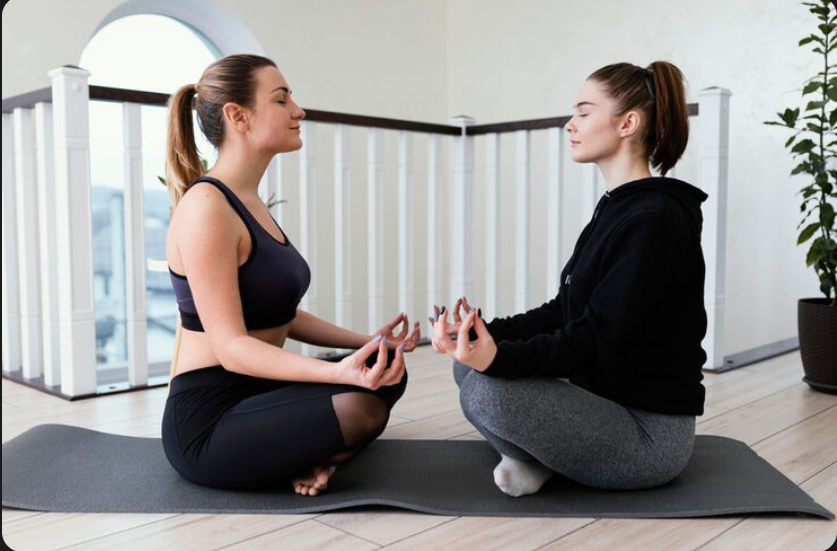
You do not need to meditate for an hour to get started. Try setting aside five minutes in a quiet place.
Sit comfortably, breathe naturally, and pay attention to the sensation of breathing. When your mind wanders, gently bring your attention back.
You can also practice mindfulness while walking, eating, stretching, or completing everyday tasks.
With regular practice, mindfulness may help some people manage stress and become more aware of their emotional responses. Results vary, so choose a method that feels comfortable rather than treating meditation as another task you must perfect.
2. Make Time for Physical Activity
Movement can support both physical and mental health. Physical activity may improve mood, support sleep, and provide a helpful break from daily worries.
You do not need an expensive gym membership or an intense exercise routine to begin.
Consider activities such as:
- Taking a short walk outdoors
- Dancing to your favorite music
- Stretching during a work break
- Gardening or doing household activities
- Swimming, cycling, or trying a fitness class
- Practicing gentle yoga if it suits your needs
Choose an activity that matches your fitness level, interests, and physical abilities. Starting with a manageable routine is often more realistic than committing to an ambitious plan that is difficult to maintain.
If you want to build a consistent movement routine, explore our guide to fitness and weight loss for additional ideas.
Remember that exercise is one part of well-being, not a cure for every mental health concern. Rest and recovery matter, too.
3. Nourish Your Body With Balanced Meals
The relationship between nutrition and mental health is complex. Food provides the energy and nutrients your brain and body need to function, and regular, balanced meals can support overall health.
Rather than following a restrictive diet or searching for a single food that will improve your mood, focus on variety and consistency.
A balanced eating pattern may include:
- Fruits and vegetables
- Whole grains
- Protein sources such as beans, eggs, fish, tofu, or poultry
- Nuts, seeds, and other sources of unsaturated fats
- Enough fluids throughout the day
Your nutritional needs may differ depending on your age, activity level, medical history, and other individual factors.
Try to notice how your eating routine affects your energy and daily functioning without judging yourself for every food choice.
If you have concerns about your weight or whether you are getting enough nutrients, read our guide to whether being underweight is healthy.
Food can support your well-being, but it is not a substitute for mental health treatment when treatment is needed.
4. Protect Your Sleep Routine
Sleep and mental health influence one another. Poor sleep can make stress harder to manage, while anxiety and emotional difficulties can interfere with sleep.
Creating a consistent bedtime routine may help you get the rest you need.
Try these simple habits:
- Go to bed and wake up at reasonably consistent times.
- Create a quiet, comfortable sleeping environment.
- Reduce stimulating activities before bedtime.
- Limit caffeine later in the day if it affects your sleep.
- Give yourself time to unwind instead of working until the moment you go to bed.
You do not have to follow a perfect routine every night. The goal is to make restful sleep easier to achieve over time.
If you regularly struggle to sleep, feel exhausted during the day, or experience persistent sleep disturbances, consider discussing them with a healthcare professional.
5. Build Supportive Relationships
Human connection can play an important role in emotional well-being. Talking with someone you trust may help you feel understood, gain perspective, and manage difficult experiences.
Support does not have to come from a large social circle. One trusted friend, a family member, a supportive colleague, or a community group can make a meaningful difference.
You can nurture connection by:
- Checking in with someone you care about
- Making time for an honest conversation
- Asking for help when you need it
- Listening without immediately trying to solve another person’s problems
- Setting boundaries with people whose behavior repeatedly harms your well-being
Healthy relationships should allow room for both connection and individuality.
If you have been feeling overwhelmed by your responsibilities, simplifying parts of your daily routine may also create more room for meaningful connection. Our guide to practical ways to simplify your life offers ideas for reducing unnecessary complexity.
Remember that seeking support is not a sign of weakness. Everyone needs help sometimes.
6. Make Time for Relaxation and Activities You Enjoy
When responsibilities pile up, enjoyable activities are often the first things people remove from their schedules.
However, making room for rest, creativity, and recreation can help you maintain a more balanced routine.
Think about activities that help you feel engaged or relaxed. You might enjoy reading, listening to music, cooking, drawing, spending time in nature, gardening, or having a quiet cup of tea.
You could also try gentle relaxation practices, such as slow breathing or progressive muscle relaxation.
For example, take a few minutes to breathe comfortably and release tension from your shoulders. If focusing on your breathing feels uncomfortable, choose another relaxing activity instead.
The purpose is not to eliminate every difficult emotion. It is to give yourself regular opportunities to pause and recover.
You can also explore our article on things to stop doing to enjoy more peace in life for additional ideas on creating a calmer daily routine.
7. Consider Complementary Practices Such as Massage or Yoga
Some people find that massage, yoga, gentle stretching, or other relaxation-based activities help them manage physical tension and unwind.
Massage therapy may provide temporary relief from muscle tension and help some people feel more relaxed. Yoga combines movement, breathing, and attention to the present moment, which some individuals find helpful for stress management.
However, responses vary. These practices should be viewed as complementary options rather than proven cures for anxiety, depression, or other mental health conditions.
If you are considering massage therapy, choose a qualified practitioner and discuss any relevant medical concerns beforehand. Massage may not be appropriate for every person or every condition.
Similarly, adapt yoga or stretching to your physical abilities and stop if an activity causes pain or discomfort.
You do not need to adopt every holistic practice. Choose the options that fit your needs, preferences, budget, and health circumstances.
How to Create a Holistic Mental Wellness Routine
Changing every part of your lifestyle at once can feel overwhelming. A more manageable approach is to begin with one or two habits and build gradually.
Here is a simple example of a daily routine you can adapt.
In the morning: Take a few minutes to stretch, breathe calmly, or spend time outside.
During the day: Eat regular meals, drink water, move when practical, and take short breaks when you need them.
In the evening: Connect with someone you care about, enjoy a relaxing activity, and prepare for a consistent bedtime.
Once a week: Review your routine and consider what has helped, what has felt difficult, and what you would like to change.
Your routine does not need to look like anyone else’s. The most useful habits are those you can realistically maintain and that support your individual needs.
When Should You Seek Professional Mental Health Support?
Lifestyle habits can support well-being, but they are not always enough on their own.
Consider speaking with a qualified mental health professional if anxiety, sadness, persistent stress, or other emotional difficulties are interfering with your sleep, relationships, work, or everyday activities.
Professional support may include counseling, psychotherapy, medical evaluation, medication when appropriate, or a combination of approaches.
You do not need to wait until you feel completely overwhelmed before asking for help.
If you are in immediate danger or thinking about harming yourself, seek urgent help. In the United States, you can call or text 988 for the Suicide & Crisis Lifeline.
Frequently Asked Questions
What does holistic mental health mean?
Holistic mental health considers the different factors that influence well-being, including emotional health, physical health, relationships, lifestyle, and environment. It can complement professional mental health care but does not replace appropriate diagnosis or treatment.
Which holistic practice should I try first?
Start with one manageable habit that fits your needs. You might try a short mindfulness exercise, regular walks, a consistent sleep schedule, or a daily conversation with someone you trust.
Can holistic practices replace therapy or medication?
Not necessarily. Practices such as mindfulness, exercise, and relaxation may complement treatment, but they should not replace prescribed medication or professional care without guidance from your healthcare provider.
How long does it take to notice a difference?
There is no universal timeline. Some people find certain activities relaxing immediately, while changes in routines and overall well-being may take longer. Benefits vary, and it is important to choose practices that suit your circumstances.
Do I need to spend money to support my mental health?
No. Many helpful habits are free, including walking, journaling, spending time with supportive people, practicing simple mindfulness exercises, and establishing a regular sleep routine.
Final Thoughts
Supporting your mental health does not require a perfect lifestyle or a complicated wellness plan.
Small habits such as moving regularly, eating balanced meals, getting enough sleep, practicing mindfulness, and maintaining supportive relationships can contribute to overall well-being.
Holistic practices work best when they are realistic, flexible, and suited to your individual needs. They can help you care for yourself while recognizing that professional support may also be necessary.
Start small, pay attention to what helps you, and give yourself permission to adjust your routine as life changes.
Your well-being deserves consistent care, not perfection.
Disclaimer: This article is for general informational purposes only and is not a substitute for professional medical or mental health advice, diagnosis, or treatment.
0 Comments