

Marriage creates a kind of closeness that is difficult to explain.
You share a home, responsibilities, routines, finances, family decisions, hopes, disappointments, and countless ordinary moments. Yet even in a close marriage, there may be thoughts and feelings that one partner keeps to herself.
Sometimes those things are too personal to explain.
Sometimes she doesn’t want to start an argument.
Sometimes she worries that her husband won’t understand.
And sometimes she simply doesn’t know how to put certain feelings into words.
This doesn’t mean wives are intentionally being dishonest. Many of these “secrets” are simply private thoughts, insecurities, desires, and concerns that can be difficult to talk about.
Of course, every woman is different. Not every wife will relate to every point in this article.
But understanding some of the things women may hesitate to say can create more empathy, better communication, and a stronger marriage.
Here are eight things some wives may keep to themselves.
1. She May Feel Insecure About Her Body

Body insecurity is something many women experience at different stages of life.
A woman may look confident on the outside while privately worrying about her weight, body shape, skin, stretch marks, aging, or changes after pregnancy.
She may notice things about herself that her husband doesn’t even notice.
Maybe her clothes fit differently than they used to.
Maybe she feels uncomfortable in photographs.
Maybe she compares herself with women she sees on television or social media.
And sometimes those comparisons can quietly affect the way she sees herself.
A wife may avoid talking about these feelings because she doesn’t want to appear vain or insecure. She may also worry that admitting her concerns will somehow make her husband notice the things she already feels self-conscious about.
What she may actually need isn’t criticism or an instant solution.
She may simply need reassurance, affection, and the feeling that she is still loved and appreciated.
If body confidence and healthier habits are something you’re working on, you can also read Fitness and Weight Loss: Transform Your Body, Change Your Life.
The important thing is to remember that confidence isn’t only about changing your appearance. Feeling comfortable in your own body can also come from taking care of yourself, developing healthy habits, and learning to treat yourself with more kindness.
2. She May Want More Romance

Marriage doesn’t automatically eliminate the desire to feel desired.
A wife may love her husband deeply and still wish he would flirt with her more, surprise her occasionally, compliment her, plan a date, hold her hand, or simply make her feel special.
The problem is that she may not always say this directly.
She might worry about sounding demanding.
She may think, “He already does so much for our family. I shouldn’t complain.”
Or perhaps she assumes that after years of marriage, asking for romance would feel awkward.
But small romantic gestures can have a surprisingly meaningful effect.
Romance doesn’t have to mean expensive gifts or elaborate vacations.
Sometimes it is a thoughtful message during the day.
A favorite snack brought home.
A spontaneous hug.
A compliment.
A date without phones.
A husband remembering something his wife mentioned weeks earlier.
If romance has become less frequent in your relationship, take a look at How to Keep Romance Alive in a Long-Term Relationship: 10 Simple Ways That Actually Work.
Long-term romance often isn’t about recreating the beginning of a relationship. It’s about continuing to notice each other after the excitement of everyday life has taken over.
3. She May Worry About Getting Older
Aging can be difficult to talk about.
A wife may joke about getting older, laugh about gray hair, or complain about a new wrinkle while privately wondering something much deeper:
“Will my husband still find me attractive?”
She may wonder whether her body is changing too quickly.
She may compare herself with younger women.
She may worry that aging will change how her husband sees her.
These concerns can become particularly strong during major life transitions.
Instead of assuming that your wife is simply being overly concerned about her appearance, recognize that aging can sometimes affect confidence and self-image.
Reassurance can help.
Tell her what you genuinely appreciate about her.
Compliment her without making every compliment about her physical appearance.
Remind her that attraction can exist alongside growing older and changing together.
A long marriage gives couples the opportunity to appreciate qualities that go far beyond youth character, humor, kindness, shared memories, emotional connection, and the life they’ve built together.
4. She May Have Financial Worries She Doesn’t Talk About

Money can create anxiety even when a couple isn’t currently experiencing a financial crisis.
A wife may quietly wonder:
“Are we saving enough?”
“What happens if something unexpected happens?”
“Will we be okay in retirement?”
“Can we afford what our family needs?”
“Are we spending too much?”
She may be thinking about these questions while making dinner, driving to work, or lying awake at night.
Sometimes she doesn’t mention them because she doesn’t want to create additional stress.
Other times, she may assume her husband already knows what needs to be done.
Financial concerns can become particularly difficult when spouses have different spending habits.
One partner may prefer saving while the other prefers enjoying money in the present.
Neither approach automatically makes someone right or wrong.
The important thing is learning how to discuss financial priorities without turning every conversation into an argument.
For practical ideas, read How to Handle Different Financial Habits in Marriage: 10 Things That Actually Help.
Open financial conversations can make it easier for couples to understand what money represents to each other and create shared goals.
5. She May Need More Personal Space
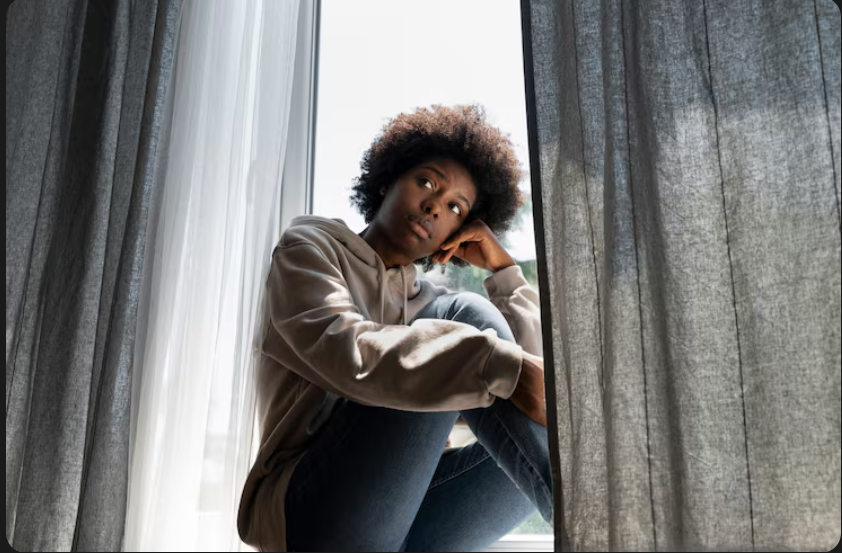
Being married doesn’t mean doing everything together.
A wife may love her husband, love her family, and still want time alone.
She might want to spend an afternoon reading.
Go to the gym.
Meet a friend.
Take a walk.
Have coffee by herself.
Enjoy a weekend away.
Or simply sit somewhere quiet without having to take care of anyone else for an hour.
She may hesitate to say this because she doesn’t want her husband to interpret her need for space as rejection.
But personal space and emotional distance aren’t the same thing.
Healthy relationships can allow two people to maintain their individual interests while remaining emotionally connected.
In fact, having some independence can sometimes make time together feel more meaningful.
A wife shouldn’t have to feel guilty for needing time to recharge.
And a husband shouldn’t automatically assume that her desire for alone time means something is wrong with the marriage.
Sometimes she simply needs to reconnect with herself.
6. She May Notice Other People Are Attractive

Being married doesn’t make someone incapable of noticing attractive people.
A wife may occasionally notice that another man is handsome, charming, intelligent, funny, or confident.
That observation alone doesn’t mean she wants an affair.
It doesn’t automatically mean she’s unhappy with her marriage.
And it certainly doesn’t automatically mean she’s cheating.
Attraction and behavior are two different things.
What matters in a committed relationship is how people respond to attraction and whether they respect the boundaries they’ve agreed upon.
Some wives may avoid mentioning these harmless observations because they know their husbands could misunderstand them.
Healthy relationships generally require trust, communication, and reasonable boundaries.
If you’re interested in understanding the difference between ordinary attraction, emotional intimacy, and behavior that may cross a relationship boundary, read Emotional Cheating vs. Physical Cheating: What’s the Difference?
The goal isn’t to become suspicious of every friendship.
It’s to understand what healthy boundaries look like for both partners.
7. She May Have Things She Wants to Explore
Intimacy can be difficult to discuss, even within a loving marriage.
A wife may have preferences, fantasies, or ideas she has never shared with her husband.
She may worry that he will judge her.
She may be afraid that he will misunderstand what she’s saying.
She may also worry that revealing something personal will make her feel vulnerable.
This is one reason emotional safety matters so much in a marriage.
When partners can talk about intimate subjects without immediately criticizing or mocking each other, honest communication becomes easier.
That doesn’t mean either partner has to agree to everything.
Healthy intimacy requires mutual consent, respect, and boundaries.
But couples should ideally have enough trust to discuss what they like, what they don’t like, what makes them uncomfortable, and what they might want to explore together.
Sometimes the biggest barrier isn’t the subject itself.
It’s the fear of being judged.
8. She May Have Doubts About Herself
Even a confident woman can experience self-doubt.
She may look like she has everything under control while privately wondering whether she’s doing enough.
Maybe she questions her career.
Maybe she worries about being a good mother.
Maybe she feels behind compared with her friends.
Maybe she started a project and isn’t sure she can finish it.
Maybe she simply feels like she isn’t living up to her own expectations.
A wife may hide these doubts because she doesn’t want her husband to worry.
She may also fear that admitting uncertainty will make her appear weak.
But self-doubt doesn’t mean someone lacks ability.
Sometimes people simply need encouragement while they work through a difficult season.
Instead of immediately trying to solve the problem, a husband can ask:
“What part of this is worrying you the most?”
“What would make you feel more confident?”
“Is there something I can do to support you?”
Those questions can create space for honest conversation.
9. She May Need Emotional Support More Than She Says
There is one more important truth behind many of the secrets discussed above: sometimes a wife simply wants to feel emotionally understood.
She may not need her husband to solve everything.
She may want someone to listen.
Someone who doesn’t immediately criticize.
Someone who doesn’t turn her feelings into an argument.
Someone who can simply say:
“I understand why that was difficult.”
Or:
“Tell me more.”
Emotional support is different from fixing every problem.
Sometimes listening is the support.
If emotional distance has developed between you and your spouse, read How to Bring Back Emotional Connection in Your Marriage.
Emotional connection often grows when both partners feel seen, heard, respected, and safe enough to be vulnerable.
A Note About the Numbering
Although the original article title says “8 Secrets,” the original version contained both “7. Her Need to Experiment” and “7. Doubts About Their Own Success.” The revised version above corrects that structure by treating the topics as eight distinct ideas while combining the final emotional-support theme into the broader discussion.
Why Wives May Keep These Things to Themselves
It’s easy to assume that if something matters, your spouse will simply tell you.
Unfortunately, communication doesn’t always work that way.
People sometimes stay silent because they’re afraid of conflict.
They don’t want to disappoint their partner.
They don’t want to appear needy.
They don’t want to be misunderstood.
Or they may have tried to communicate something before and felt dismissed.
That’s why creating a safe environment for honest conversation matters.
Instead of waiting for your wife to announce every concern, try asking thoughtful questions.
“What have you been thinking about lately?”
“Is there anything you’ve been afraid to tell me?”
“Is there anything you wish I understood better?”
“What could I do that would make you feel more appreciated?”
These questions don’t guarantee that your spouse will immediately open up.
But they create an invitation.
And sometimes an invitation is exactly what someone needs.
What Husbands Can Do
Understanding these possible unspoken concerns isn’t about becoming a mind reader.
It’s about becoming more attentive.
Notice when your wife seems stressed.
Ask how she’s doing.
Listen without immediately interrupting.
Compliment her.
Show affection.
Respect her need for personal space.
Talk openly about money.
Make time for romance.
Ask about her dreams.
And don’t assume that silence means everything is fine.
At the same time, wives also have a responsibility to communicate honestly.
A healthy marriage cannot depend entirely on one partner guessing what the other needs.
The goal is mutual openness.
How to Create More Honest Communication in Your Marriage
If you want your spouse to feel comfortable sharing difficult things, start by making conversations safer.
Listen before defending yourself
If your wife tells you something uncomfortable, resist the urge to immediately explain why she’s wrong.
Listen first.
Ask questions instead of making assumptions
Instead of deciding what she means, ask her.
“What do you mean by that?”
“How does that make you feel?”
“What would you like me to understand?”
Don’t mock vulnerability
Something that seems small to you may feel enormous to your partner.
Take her feelings seriously even when you don’t completely understand them.
Make appreciation part of everyday life
Don’t wait for an anniversary to express gratitude.
Tell your spouse what you appreciate regularly.
Talk about difficult subjects before they become major problems
Money, intimacy, personal space, family responsibilities, and emotional needs are easier to discuss when they aren’t surrounded by months of resentment.
Final Thoughts
There may always be things a wife keeps private.
That doesn’t necessarily mean she’s hiding something harmful.
Sometimes she’s protecting her feelings.
Sometimes she’s afraid of being misunderstood.
Sometimes she doesn’t want to create conflict.
And sometimes she simply hasn’t found the right words.
The healthiest response isn’t suspicion.
It’s curiosity.
Ask questions.
Listen.
Create emotional safety.
Make room for honest conversations.
And remember that marriage isn’t only about sharing responsibilities.
It’s also about knowing the person beside you—and continuing to discover who they are as life changes.
A wife may not always tell her husband everything that crosses her mind.
But when both partners know they can speak honestly without being immediately judged, dismissed, or attacked, many of those unspoken thoughts become easier to share.
And that kind of openness can strengthen a marriage far more than trying to uncover every secret.
0 Comments