
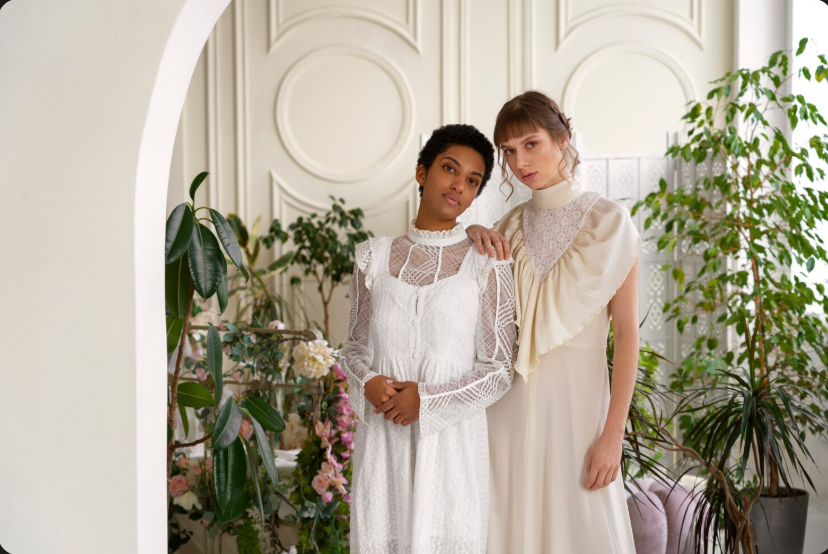
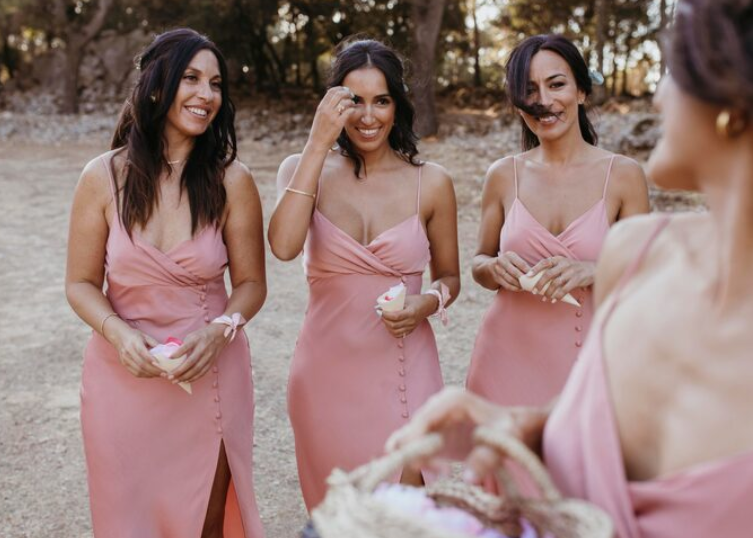
Choosing an outfit for a wedding should be exciting, but deciding what to wear can sometimes feel complicated. Between dress codes, venue expectations, cultural traditions, and personal style, there are several details to consider before choosing your look.
The goal is to find an outfit that makes you feel confident while respecting the couple and the atmosphere of their celebration.
You don’t need to spend a fortune or follow every fashion trend to dress appropriately. Often, the best wedding guest outfits combine thoughtful styling, suitable fabrics, comfortable shoes, and accessories that complement the occasion.
If you’re preparing for an upcoming wedding, here are eight things to avoid wearing as a guest, along with practical tips for choosing an outfit that feels stylish and appropriate.
1. Avoid White and Bridal-Looking Outfits
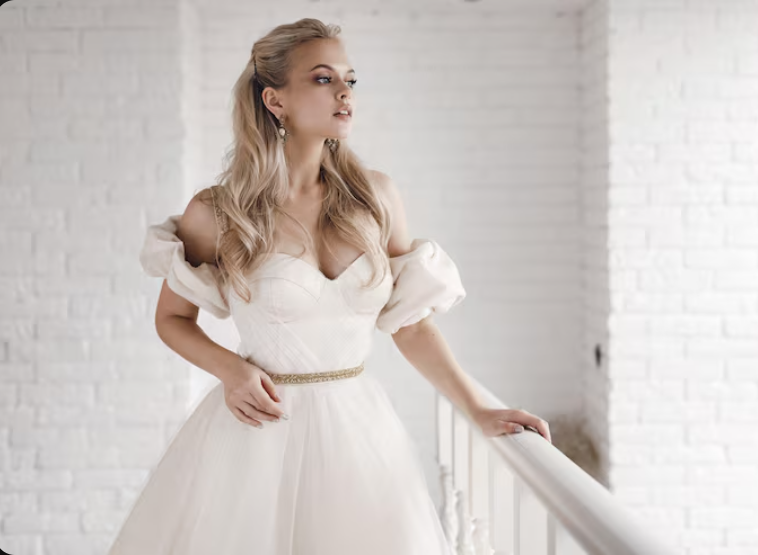
White is traditionally associated with the bride in many Western wedding traditions. Unless the couple specifically invites guests to wear white, it’s generally best to choose another color.
This also means being mindful of shades such as ivory, bridal cream, and very pale champagne, particularly when the outfit could look white in photographs.
The issue isn’t that every light-colored outfit is inappropriate. It’s whether your clothing might reasonably resemble bridal attire or conflict with the couple’s wishes.
What to wear instead: Consider soft blue, sage green, dusty rose, lavender, burgundy, or another shade that suits the season and dress code.
If you love neutral colors, look for patterns or designs that clearly distinguish your outfit from traditional bridal wear.
It’s also wise to check whether the couple has requested that guests avoid a particular color. Some weddings have specific color palettes, and following those preferences can help you feel more confident about your choice.
2. Don’t Ignore the Wedding Dress Code
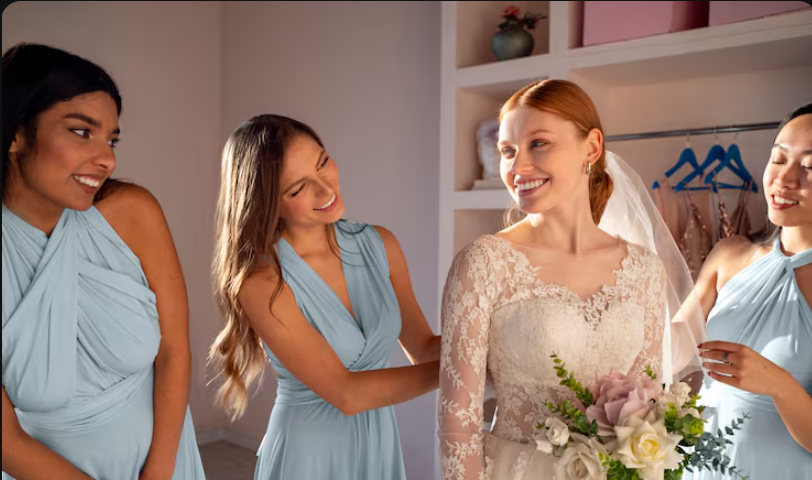
The dress code on a wedding invitation is one of the most useful clues for deciding what to wear.
A black-tie celebration generally calls for formal eveningwear, while a cocktail dress code allows polished dresses and other elegant party outfits. Semi-formal weddings usually fall somewhere between formal and relaxed.
Wearing something far more casual than the requested dress code can make you feel out of place. On the other hand, an extremely elaborate outfit may be unnecessary for a relaxed daytime ceremony.
What to wear instead: Read the invitation carefully and consider the time, venue, and formality of the event.
For a formal celebration, an elegant gown or tailored suit may be appropriate. For a garden wedding, a flowing midi dress or a polished jumpsuit could work beautifully.
If you’re attending a winter ceremony, explore these ideas for dreamy winter wedding dresses for inspiration on balancing seasonal style with wedding-appropriate elegance.
When the dress code isn’t clear, asking the couple or wedding party is better than guessing.
3. Skip Jeans and Overly Casual Clothing Unless Invited
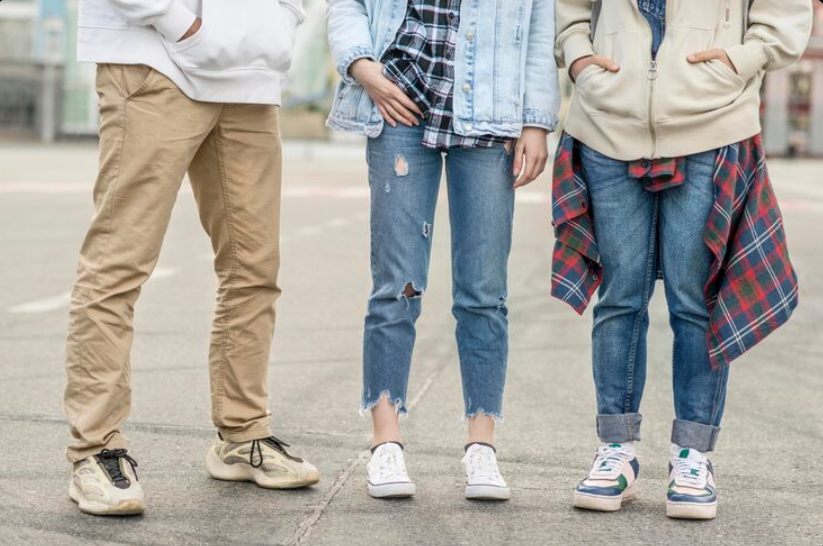
Jeans, graphic T-shirts, hoodies, and everyday sneakers are generally too casual for a traditional wedding.
Even when a celebration takes place outdoors, the couple may still expect guests to dress for a special occasion. Casual clothing can look out of place in a formal setting or in photographs.
However, not every wedding follows traditional expectations. A backyard ceremony, courthouse celebration, or explicitly casual wedding may allow a much more relaxed outfit.
What to wear instead: Choose clothing that looks intentional and polished while matching the invitation.
Depending on the dress code, options might include a flowy dress, tailored trousers with a refined blouse, a coordinated two-piece outfit, or an elegant jumpsuit.
Pay attention to the details. Clean shoes, well-fitting clothing, and suitable accessories can help even a simple outfit look thoughtfully styled.
The important thing is to dress for the wedding you’re attending rather than assuming every celebration has the same rules.
4. Avoid Outfits That Compete With the Couple

Wedding guest fashion can be expressive, and there’s nothing wrong with wearing something beautiful or distinctive.
However, an outfit that is excessively flashy or designed to attract all the attention may feel inappropriate for the occasion.
Very dramatic embellishments, oversized statement pieces, extremely bright colors, or elaborate accessories can sometimes overpower the overall look, especially at intimate or traditional weddings.
That doesn’t mean you must avoid sequins, bold colors, or statement jewelry entirely. Their suitability depends on the dress code, venue, and couple’s preferences.
What to wear instead: Choose one standout element and let the rest of your outfit complement it.
For example, a simple dress can look elegant with statement earrings, while a richly colored gown may need only understated jewelry and a refined clutch.
If you’re wearing a black dress, you can still create a polished wedding guest outfit with the right styling. These styling tips for wearing black dresses to weddings offer ideas for making the look feel celebratory and appropriate.
Your outfit should reflect your personality without making you feel as though you need to compete with the wedding party.
5. Be Mindful of Extremely Revealing or Ill-Fitting Clothing

Confidence is an important part of personal style, and wedding guests shouldn’t feel that they must dress in one particular way.
Still, some outfits may not suit the expectations of a specific ceremony. Very short hemlines, extremely sheer fabrics, plunging necklines, or designs that require constant adjusting may be uncomfortable or feel out of place at a conservative or religious venue.
The goal isn’t to impose a universal rule about how much skin someone can show. It’s to consider the event’s atmosphere, any stated dress requirements, and your own comfort.
What to wear instead: Look for clothing that balances style, fit, and ease of movement.
A well-tailored midi dress, an elegant wrap dress, a sophisticated jumpsuit, or a coordinated outfit can feel fashionable without requiring constant adjustments.
If the ceremony takes place in a religious venue, check whether shoulders, knees, or other areas should be covered. A lightweight shawl, jacket, or wrap can be a practical addition.
Above all, choose something that lets you sit, walk, eat, and dance comfortably throughout the celebration.
6. Don’t Choose Shoes That Make the Day Uncomfortable

Shoes can transform an outfit, but uncomfortable footwear can make a long wedding day much harder to enjoy.
A celebration may involve walking between ceremony and reception locations, standing during photographs, moving across grass, or dancing for several hours. Very high heels or delicate stilettos may not be practical for every setting.
Outdoor weddings deserve particular consideration. Thin heels can sink into grass or become difficult to manage on uneven ground.
What to wear instead: Choose footwear that complements your outfit and suits the venue.
Block heels can offer more stability than narrow stilettos, while dressy flats, elegant sandals, and low heels can be excellent alternatives.
For a beach wedding, consider footwear that is comfortable on sand. For a garden celebration, look for shoes that can handle uneven surfaces.
You can also bring a second pair of comfortable shoes for the reception if you expect to dance for a long time.
The best wedding shoes are the ones that allow you to enjoy the celebration rather than spend the evening thinking about your feet.
7. Consider Cultural Traditions and Color Expectations
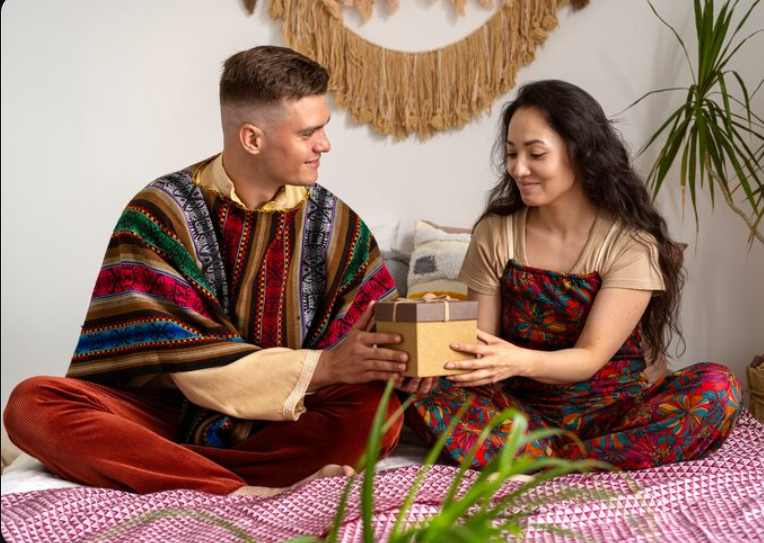
Wedding attire expectations vary across cultures, religions, families, and individual couples.
A color that feels perfectly appropriate at one wedding may carry a different meaning at another. For example, white is associated with bridal attire in many Western weddings, while white or red may have different traditional roles in other cultural settings.
Black may be welcomed as elegant formalwear in one celebration but discouraged by the couple or tradition in another.
There isn’t one universal set of color rules that applies to every wedding.
What to wear instead: Find out whether the couple has any cultural or religious dress expectations before selecting your outfit.
If you’re unfamiliar with the traditions, politely ask someone close to the couple for guidance. You can also review the invitation for instructions about head coverings, modest clothing, footwear, or requested colors.
Respecting these preferences is a thoughtful way to participate in a celebration that may be deeply meaningful to the couple and their families.
You can still express your personal style while making an effort to understand the occasion.
8. Don’t Choose an Outfit That Makes You Feel Uncomfortable

Sometimes an outfit looks beautiful on a hanger but doesn’t feel right once you put it on.
Perhaps the dress needs constant adjusting, the fabric feels uncomfortable, the shoes are difficult to walk in, or the overall look doesn’t suit your personality.
If you’re uncomfortable before the event even begins, you may spend much of the celebration worrying about your appearance instead of enjoying the day.
What to wear instead: Try your complete outfit before the wedding.
Put on your clothing, shoes, and accessories together. Walk around, sit down, raise your arms, and check whether anything shifts or feels restrictive.
Make sure your outfit suits the venue and weather, too. A heavy formal dress may be uncomfortable at a warm outdoor wedding, while a lightweight outfit may not provide enough warmth for a cold evening.
If you’re unsure between two options, ask someone whose judgment you trust or check with the couple if the dress code is unclear.
The ideal outfit should make you feel comfortable, confident, and ready to celebrate.
Additional Tips for Choosing a Wedding Guest Outfit
Avoiding common mistakes is only part of the process. A few simple decisions can make putting together your outfit much easier.
Consider the Venue and Weather
A formal ballroom, beach ceremony, garden reception, and city rooftop wedding can all call for different clothing choices.
Check the expected weather and consider whether the event takes place indoors or outdoors. Layers, breathable fabrics, and practical footwear can make a significant difference.
Choose Accessories That Complement Your Outfit
Accessories can make a simple outfit feel special, but they don’t need to be excessive.
Consider delicate earrings, a coordinated handbag, a bracelet, or a subtle necklace. The goal is to complement your clothing rather than overwhelm it.
For more ideas, read our guide to accessories that make a navy dress wedding-ready.
Dress for the Entire Celebration
Think about whether you’ll attend a ceremony, cocktail hour, dinner, and dancing. An outfit that works for all parts of the event will usually be more practical than something that looks good only while standing still.
If you’re planning a special evening around the wedding weekend, our guide to romantic dinner outfit ideas offers additional inspiration for dressing elegantly for an occasion.
Prioritize Fit Over Trends
You don’t have to buy the latest fashion trend to look stylish. Clothing that fits well, feels comfortable, and suits your personal taste will often look more polished than an outfit chosen simply because it’s fashionable.
If you’re buying something new, consider whether you’ll wear it again to another wedding, dinner, or special event.
Frequently Asked Questions
Can you wear black to a wedding?
Black is accepted at many modern weddings, particularly formal and evening celebrations. However, cultural traditions and the couple’s preferences may differ, so check the invitation or ask if you’re unsure.
Is it okay to wear a floral dress to a wedding?
Yes. Floral dresses are often suitable for weddings, particularly spring and summer celebrations. Choose a design that matches the dress code and avoid patterns or color combinations that closely resemble bridal attire.
Can wedding guests wear red?
Red is appropriate at many weddings, but expectations vary by culture and couple. If you’re attending a traditional or culturally specific celebration, check whether red has any special meaning or restrictions.
Are flats acceptable for wedding guests?
Absolutely. Elegant flats, dressy sandals, and other comfortable shoes can be excellent wedding footwear. Choose a style that suits the dress code and venue.
What should I wear to a casual wedding?
A casual wedding usually calls for polished, relaxed clothing rather than everyday loungewear. Depending on the invitation, a sundress, a midi dress, tailored trousers, or a smart jumpsuit may be appropriate.
Should I ask the couple what to wear?
If the invitation doesn’t provide enough information, asking the couple or a member of the wedding party is perfectly reasonable. A quick question can help you avoid confusion about colors, formality, or cultural expectations.
Final Thoughts
Knowing what not to wear as a wedding guest can make choosing your outfit much easier.
Avoid white or bridal-looking clothing unless requested, follow the dress code, consider cultural expectations, and choose shoes and clothing that allow you to enjoy the entire celebration.
Remember that wedding guest fashion isn’t about following a rigid list of rules. It’s about respecting the couple, understanding the occasion, and expressing your personal style thoughtfully.
Choose an outfit that fits the event, feels comfortable, and makes you feel confident. With a little planning, you can look elegant, enjoy the celebration, and help keep the focus on the people getting married.
0 Comments