
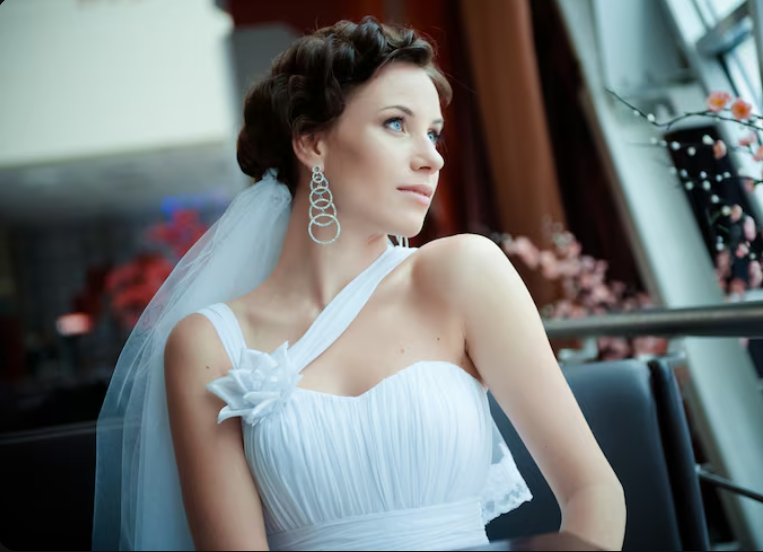
Your wedding day is filled with meaningful details, from your dress and hairstyle to your shoes and accessories. Among these finishing touches, jewelry has a special role: it can enhance your bridal look, reflect your personality, and become a treasured reminder of the occasion for years to come.
But with so many choices available, deciding what jewelry to wear can feel overwhelming. Should you choose classic pearls, sparkling diamonds, delicate gold pieces, or bold statement earrings? And how do you make sure your jewelry complements your wedding dress rather than competing with it?
The secret is to consider your personal style, dress neckline, wedding theme, comfort, and budget before making your final choices.
Whether you’re planning a traditional ceremony, a modern celebration, or a relaxed beach wedding, these practical tips will help you choose wedding jewelry that feels beautiful, coordinated, and authentically yours.
1. Choose Jewelry Metals That Complement Your Look
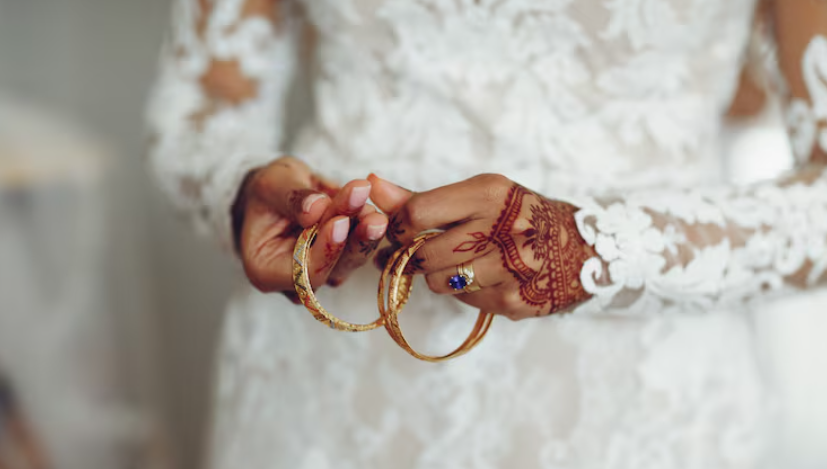
The metal you choose can influence the overall appearance of your bridal accessories. Gold, silver, platinum, and rose gold each offer a different finish, and the best choice depends on your dress, other accessories, and personal preference.
Yellow Gold for Timeless Warmth
Yellow gold creates a classic, warm appearance that works beautifully with traditional bridal styling. It can complement ivory, champagne, and cream wedding dresses, as well as gowns with warm-toned embellishments.
Consider gold drop earrings, a delicate pendant, or a simple bracelet if you want an elegant finish.
White Gold and Platinum for a Modern Look
White gold and platinum have a cool-toned appearance that pairs well with many contemporary bridal styles. They can complement white gowns, silver embroidery, and clear gemstones.
Platinum is also valued for its durability, although the suitability of any metal depends on its composition and your individual skin sensitivity.
Rose Gold for a Romantic Touch
Rose gold has a soft pinkish hue that can create a romantic, distinctive look. It pairs particularly well with blush details, warm neutrals, and delicate floral styling.
Silver for an Elegant Budget-Friendly Option
Silver can be an attractive choice for brides who prefer cool-toned jewelry. Sterling silver is generally more affordable than platinum, although it can tarnish and may require occasional polishing.
Styling tip: You don’t have to match every metal perfectly. Mixing metals can look intentional and modern when the pieces share a similar style or finish. Choose combinations that work harmoniously with your dress and engagement ring.
2. Match Your Jewelry to Your Wedding Dress Neckline
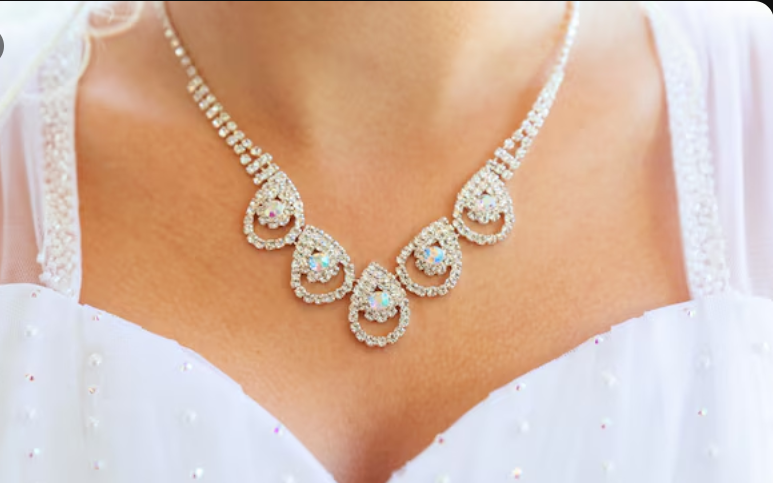
Your dress neckline is one of the most useful starting points when selecting bridal jewelry. The right necklace or earrings can complement the shape of your gown and create a balanced appearance.
V-Neck Dresses
A V-neckline naturally draws the eye downward, making it a good match for a pendant necklace or a delicate chain that follows the neckline.
A small gemstone pendant can add sparkle without distracting from the dress. Alternatively, skip the necklace and choose elegant drop earrings for a more understated look.
Strapless and Sweetheart Necklines
Strapless gowns leave the neck and shoulders relatively open, creating an opportunity to wear a necklace if you enjoy that style.
A delicate choker, a short pendant, or a statement necklace can work well, depending on the gown’s detailing. If your dress already features intricate lace, beading, or embroidery, simple earrings may be the better choice.
High-Neck Dresses
High-neck gowns often look beautiful with earrings as the main accessory. Studs, drop earrings, or small hoops can add interest without crowding the neckline.
A necklace is not always necessary, especially if the dress has lace, embellishments, or decorative fabric around the collar.
Off-the-Shoulder Dresses
Off-the-shoulder gowns highlight the collarbone and shoulders. Delicate necklaces, pearl earrings, and elegant drops can complement this silhouette.
If your dress has dramatic sleeves or a structured neckline, choose accessories that enhance those details rather than competing with them.
Styling tip: Try on your jewelry with your actual dress before the wedding. A combination that looks beautiful on its own may feel different when worn with the gown’s neckline and embellishments.
3. Decide Whether You Prefer Diamonds, Pearls, or Alternative Gemstones
Gemstones can add meaning, color, and personality to your bridal look. You don’t have to choose the most expensive option to create an elegant result.
Diamonds for Classic Sparkle
Diamonds are a traditional bridal choice because of their brilliance and versatility. Diamond studs, a delicate necklace, or a bracelet can complement a wide range of wedding dresses.
If you already own diamond jewelry that holds sentimental value, wearing it can be a meaningful way to incorporate family memories into your wedding day.
Pearls for Timeless Elegance
Pearls offer a softer glow and work beautifully with classic, vintage-inspired, and minimalist bridal styles.
Consider pearl studs, a simple strand necklace, or pearl hair accessories. If your gown already includes pearls, matching or complementary details can create a coordinated look.
Moissanite for a Diamond Alternative
Moissanite is a gemstone known for its brilliance and is often chosen as an alternative to diamonds. It can offer a sparkling appearance at a different price point.
However, moissanite and diamonds have different optical and physical properties. If you’re comparing them, consider appearance, durability, origin, price, and the values that matter to you.
Colored Gemstones for Personal Expression
Sapphires, emeralds, rubies, and other colored stones can introduce a meaningful accent to your bridal outfit.
You might choose your birthstone, a color associated with your relationship, or a gemstone that complements your wedding palette.
Styling tip: If your dress is simple, a colored gemstone can provide a beautiful focal point. For a heavily embellished gown, smaller gemstones or simpler designs may create a more balanced appearance.
4. Balance Necklaces and Earrings
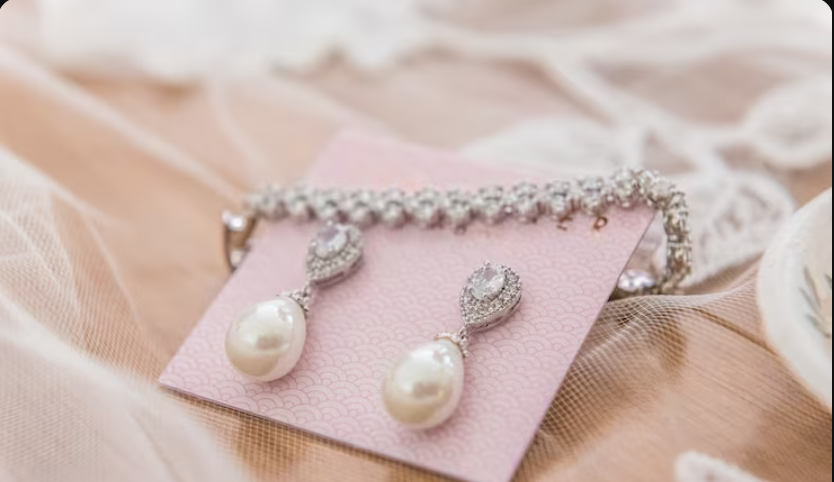
One of the most common bridal styling questions is whether to wear both a necklace and statement earrings.
There is no universal rule, but thinking about balance can help you avoid an overly crowded look.
If you love bold chandelier earrings, consider skipping the necklace or choosing a very delicate chain. If your necklace is elaborate, simple studs or small drop earrings may complement it better.
For a minimalist gown, you may have more freedom to experiment with statement pieces. For a dress with intricate beading, lace, or a dramatic neckline, simpler jewelry can allow the gown to remain the focus.
Consider the overall impression you want to create:
- Classic: Pearl studs and a delicate necklace.
- Modern: Sculptural earrings with minimal additional jewelry.
- Romantic: Fine chains, small gemstones, and soft rose-gold tones.
- Glamorous: Statement earrings paired with a restrained bracelet.
- Minimalist: One or two carefully selected pieces.
The goal is not to follow a strict rule. It is to make sure each piece contributes to a cohesive look.
5. Choose Bracelets and Rings Thoughtfully
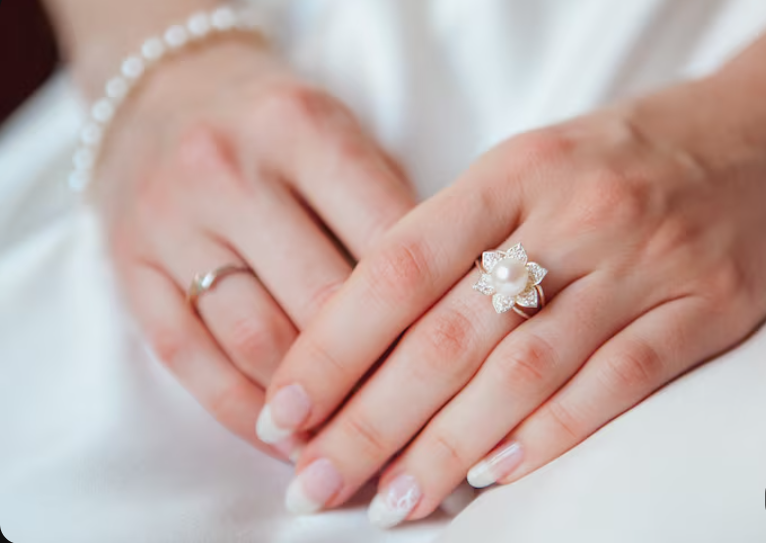
Bracelets and rings can add beautiful finishing details, but comfort and practicality are particularly important on your wedding day.
Your engagement ring and wedding band will naturally be important pieces, so consider whether additional rings enhance your look or create unnecessary clutter.
A delicate bracelet can complement a sleeveless or short-sleeved gown. If your dress has long sleeves or intricate cuffs, you may prefer to skip the bracelet.
Also consider the activities planned for the day. You may be holding a bouquet, greeting guests, signing documents, dancing, and embracing loved ones.
Choose pieces that won’t snag on delicate fabric, feel uncomfortable when moving, or distract you throughout the ceremony.
Styling tip: Try wearing your complete jewelry combination for a little while before the wedding. This can help you identify irritating clasps, heavy earrings, or bracelets that slide around too much.
6. Coordinate Jewelry With Your Veil and Hair Accessories
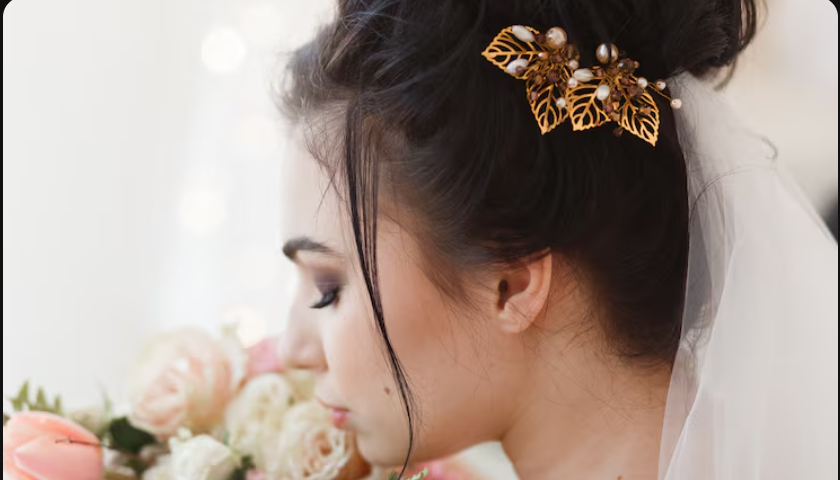
Your veil, hairstyle, and hair accessories all contribute to the overall bridal look. Thinking about these elements together can help you avoid competing details.
If you’re wearing a traditional veil, simple earrings may provide enough sparkle, particularly if the veil has lace, beading, or a decorative edge.
If you choose a jeweled hair comb, pearl pins, or a decorative headband, consider whether you want your earrings and necklace to be equally elaborate or more understated.
Your hairstyle can also influence the best earrings for your look.
- An updo: Makes it easier to showcase statement earrings or elegant drops.
- Loose waves: Can pair beautifully with delicate studs, small hoops, or earrings that remain visible through your hair.
- A sleek bun: Works well with modern geometric jewelry or classic pearl earrings.
- A braided hairstyle: Can complement romantic, vintage-inspired accessories.
If you’re still deciding on your hairstyle, you can explore these tomboy hairstyle ideas for long-haired women for inspiration on how different hairstyles can influence the overall feel of an outfit.
Styling tip: Have your hair trial and jewelry selection planned together where possible. This gives your stylist an opportunity to see how your accessories sit with your hairstyle and veil.
7. Consider Your Wedding Dress Color and Embellishments
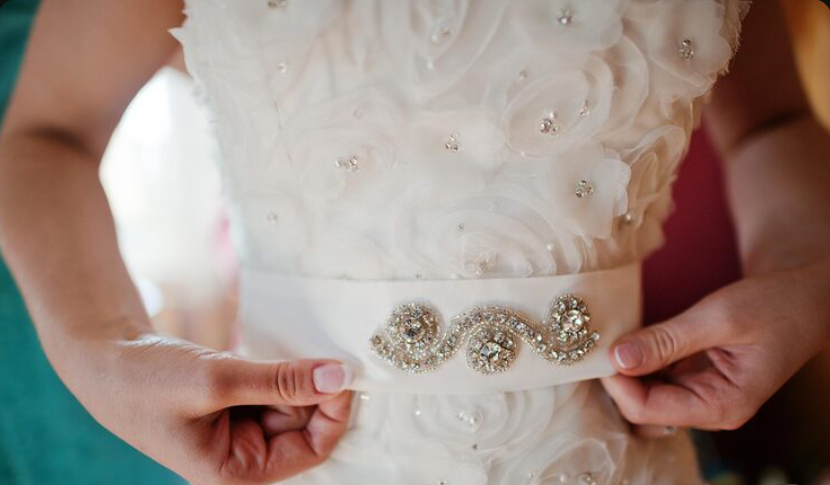
Wedding dresses come in a variety of shades, from bright white to ivory, champagne, blush, and other soft tones. Your jewelry can complement these colors in subtle ways.
White and cool-toned gowns often pair well with silver, platinum, white gold, or clear gemstones. Ivory and champagne gowns can look beautiful with yellow gold, warm pearls, and champagne-colored stones.
These are suggestions rather than strict rules. The fabric, lighting, embellishments, and your own preferences all affect how the combination looks.
It’s also worth paying attention to decorative details. If your dress has silver beading, you might choose jewelry with a similar finish. If it features pearls, pearl earrings can create a cohesive appearance.
On the other hand, a simple gown can provide an opportunity to introduce contrast with colored gemstones or a statement necklace.
For more outfit coordination ideas, see our guide to wedding-approved styling hacks for black dresses. Although the styling principles apply to different occasions, it offers inspiration for balancing colors, accessories, and statement pieces.
8. Match Your Jewelry to the Wedding Venue and Atmosphere
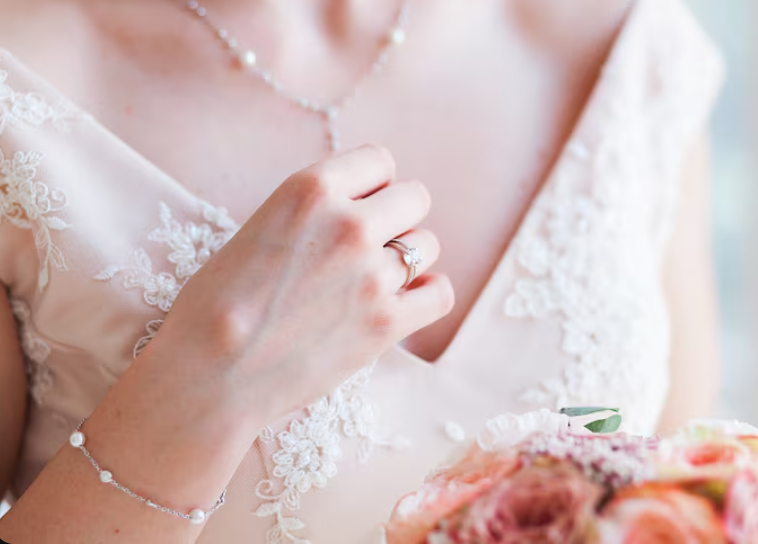
Your wedding setting can influence how formal or relaxed your jewelry feels.
Formal Ballroom Weddings
A traditional ballroom wedding may suit classic diamonds, pearls, chandelier earrings, or a more elaborate bracelet.
Choose pieces that complement the formality of your gown without making the overall look feel overloaded.
Beach Weddings
Beach ceremonies often suit lighter, simpler accessories. Delicate gold jewelry, small earrings, or a subtle bracelet can complement a flowing dress and relaxed setting.
Consider the weather, wind, and possibility of sand or water exposure when choosing delicate pieces.
Garden Weddings
For an outdoor garden ceremony, floral-inspired designs, pearls, and colored gemstones can complement the natural surroundings.
Lightweight accessories may be particularly comfortable for daytime celebrations.
Rustic or Bohemian Weddings
Vintage-inspired pieces, textured metals, and nature-inspired designs can work well with rustic or bohemian themes.
You can also incorporate meaningful heirloom jewelry to add a personal touch.
Modern City Weddings
Minimalist necklaces, geometric earrings, and sleek metal designs can complement contemporary venues and modern wedding gowns.
Styling tip: Let the venue inform your choices without dictating them. Your personal style should remain the most important consideration.
9. Set a Wedding Jewelry Budget
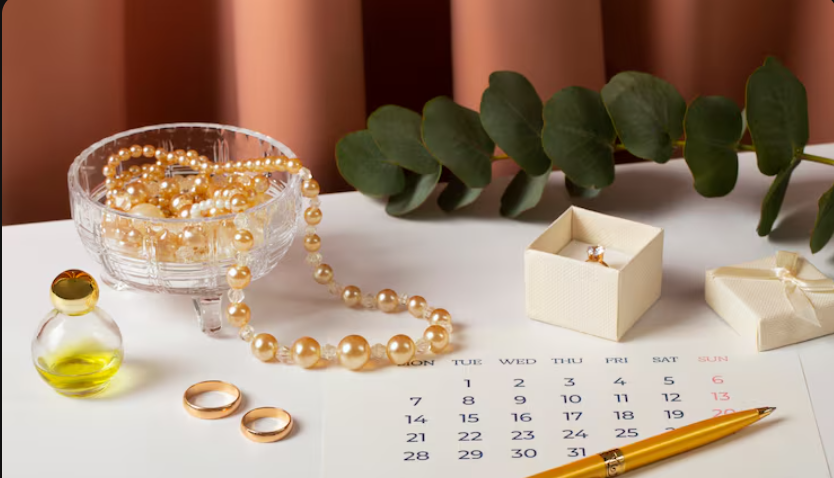
Wedding expenses can add up quickly, so setting a jewelry budget early can help you make confident choices without unnecessary stress.
Start by deciding which pieces matter most to you. You might prioritize earrings that will appear in photographs, a necklace with sentimental value, or a bracelet you can wear again after the wedding.
You don’t need to spend heavily on every accessory.
Invest in Pieces You’ll Wear Again
If you have room in your budget, consider purchasing versatile jewelry that works with everyday outfits as well as formal clothing.
Classic studs, a simple pendant, or a timeless bracelet may become pieces you reach for long after the wedding.
Consider Affordable Alternatives
Cubic zirconia, certain crystal jewelry, plated metals, and fashion jewelry can provide attractive options at lower price points.
The important thing is to check the materials and construction. Some budget-friendly pieces may be less durable or require more careful handling than fine jewelry.
Explore Rental Options
Jewelry rental may be worth considering if you want a statement piece for one occasion but don’t expect to wear it often.
Before renting, check the rental fee, deposit, insurance or damage terms, delivery timing, and return requirements.
Borrow Meaningful Family Jewelry
Borrowing a necklace, bracelet, or pair of earrings from a family member can add emotional significance without requiring a major purchase.
Just make sure the piece is comfortable, fits your outfit, and can be handled safely throughout the day.
Budget tip: Decide on your total spending limit before browsing. This makes it easier to compare options based on what you genuinely value rather than getting carried away by individual pieces.
10. Prioritize Comfort and Practicality
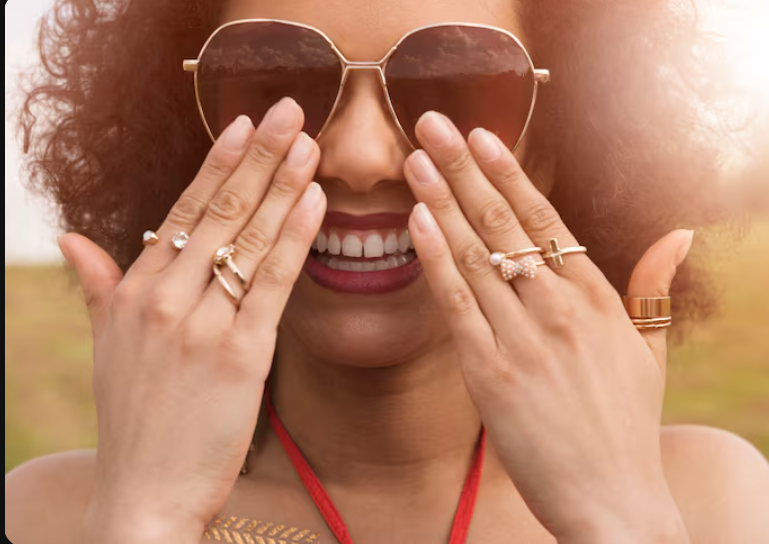
Wedding days can be long. Between the ceremony, photographs, reception, and dancing, you’ll likely be wearing your jewelry for several hours.
Comfort should therefore be part of your decision, not an afterthought.
If you’re not accustomed to wearing heavy earrings, choose a lighter pair or test the style before the wedding. Check clasps, fastenings, and chains to ensure they feel secure.
If you have sensitive skin, review the metal composition and consider materials you already know you tolerate well. Terms such as “hypoallergenic” can be helpful, but they don’t guarantee that every wearer will avoid irritation.
It is also wise to avoid jewelry that catches easily on lace, tulle, or delicate embroidery.
For your final fitting, bring the actual accessories you plan to wear. This helps you check the full look and identify anything that needs adjusting.
Final Checklist Before Choosing Your Wedding Jewelry
Before making your final decision, use this simple checklist:
- Does the jewelry complement my dress neckline and color?
- Does it fit my personal style?
- Do the necklace and earrings work well together?
- Have I considered my veil and hairstyle?
- Is the jewelry comfortable enough to wear for several hours?
- Are the materials suitable for my skin?
- Does the jewelry suit the wedding venue and atmosphere?
- Is the purchase within my budget?
- Can I wear or reuse the pieces after the wedding?
- Have I tried everything on with my dress?
You don’t need to answer every question with a perfect match. Use the checklist to identify potential issues and make sure your final choices feel intentional.
Frequently Asked Questions
Should I wear a necklace with my wedding dress?
That depends on your neckline, dress details, and personal preference. A V-neck may suit a pendant, while a heavily embellished or high-neck gown may look better with earrings as the main accessory. A necklace is optional, not essential.
Is gold or silver better for bridal jewelry?
Neither is universally better. Gold can create a warm, traditional look, while silver, white gold, and platinum offer cooler finishes. Choose the metal that complements your dress, other accessories, and personal style.
Is moissanite a good alternative to diamonds for a wedding?
Moissanite is a popular alternative because of its brilliance and often lower price compared with diamonds. It has different optical and physical properties, so compare appearance, durability, origin, and cost before deciding.
Can I mix gold and silver jewelry on my wedding day?
Yes. Mixing metals can create a modern and intentional look. To make the combination feel coordinated, consider repeating a finish or choosing pieces with similar design details.
How much should I spend on wedding jewelry?
There is no required amount. Set a budget that fits your overall wedding plans and focus on the pieces that matter most to you. Affordable jewelry, heirlooms, and rental options can all work beautifully.
When should I choose my bridal jewelry?
Ideally, select your main jewelry after you have chosen your dress and have a clear idea of your hairstyle and veil. Try the complete combination before the wedding so you have time to make adjustments.
Final Thoughts
Choosing the ideal jewelry for your wedding day is about more than adding sparkle. It’s about finding pieces that complement your dress, reflect your personality, and help you feel comfortable and confident throughout one of life’s most meaningful occasions.
Start with your gown’s neckline and color, consider how your jewelry works with your hairstyle and veil, and choose a combination that feels balanced. Keep your budget and comfort in mind, and don’t be afraid to wear something simple if that feels most like you.
Whether you choose timeless pearls, sparkling gemstones, delicate gold, or a bold statement piece, the right jewelry is the jewelry that makes you feel beautiful and authentically yourself.
Your wedding day doesn’t need to follow every fashion rule. Choose pieces that hold meaning for you, enjoy the process, and let your personal style shine.
0 Comments