

Choosing what to wear to a funeral can feel difficult, especially when you want to show respect for the person who has passed away and offer comfort to their loved ones. While funeral attire is often associated with black clothing and conservative styles, the most appropriate outfit depends on the family’s wishes, cultural traditions, religious customs, and the type of service being held.
Unfortunately, some clothing choices can unintentionally draw attention away from the occasion. Wearing an outfit that is too casual, choosing overly flashy accessories, or overlooking the expected dress code can leave you feeling uncomfortable or underdressed.
The good news is that dressing appropriately doesn’t have to be complicated or expensive. With a few thoughtful choices, you can create a respectful outfit that is comfortable, practical, and suitable for the service.
Here are 10 common fashion errors people make at funerals—and how to avoid them.
1. Wearing Clothing That Is Too Casual

One of the most common funeral attire mistakes is treating the occasion like an ordinary social gathering.
Although dress codes vary, clothing such as heavily distressed jeans, graphic T-shirts, beachwear, and visibly worn casual pieces may be inappropriate for a traditional funeral service.
A funeral is an opportunity to show respect for the deceased and support those who are grieving. Choosing neat, understated clothing can help communicate that respect.
For women, suitable options may include:
- A simple black, navy, or dark-colored dress
- Tailored trousers with a modest blouse
- A knee-length or midi skirt with a conservative top
- A coordinated trouser suit
- A simple cardigan or blazer over a dress
For men, tailored trousers, a collared shirt, and a jacket are often suitable choices. A full suit may be appropriate for a formal service, but it isn’t necessary for every funeral.
How to avoid this mistake: Consider the service’s dress code before choosing your outfit. If the family has requested casual, colorful, or culturally specific attire, follow those instructions rather than assuming traditional formalwear is required.
2. Assuming Black Is Always Mandatory

Black is a traditional mourning color in many Western cultures, but it isn’t universally required.
Different cultures and religions have different customs surrounding death and mourning. White, for example, is traditionally associated with mourning in some cultures, while other communities may welcome bright colors or specific garments.
Even within the same community, families may request different attire depending on the deceased’s wishes or the nature of the service.
Wearing black can be a safe choice when you’re uncertain about expectations, but it shouldn’t be treated as a universal rule.
Navy, charcoal gray, dark brown, and other muted colors may also be appropriate when the family hasn’t specified a dress code.
How to avoid this mistake: Check the funeral announcement or ask someone close to the family if you’re unsure. Respecting the family’s wishes is more important than following a rigid fashion rule.
3. Choosing Clothing That Is Too Revealing
A funeral is generally a solemn occasion, so clothing that draws significant attention through its cut or design may not suit a traditional service.
Very short skirts, extremely low necklines, sheer garments without appropriate layering, or outfits that require constant adjustment can make it harder to feel comfortable throughout the ceremony.
This doesn’t mean you must dress unattractively or hide your personal style. It simply means choosing an outfit that suits the setting and allows you to focus on the purpose of the gathering.
Consider a knee-length or midi dress, a blouse with a comfortable neckline, or tailored trousers with a well-fitting top.
If you prefer sleeveless clothing, you can add a cardigan, blazer, or shawl when appropriate.
How to avoid this mistake: Before leaving home, sit down, walk around, and check that your outfit remains comfortable and provides the coverage you want.
4. Wearing Bright Colors Without Checking the Dress Code
Bright colors aren’t automatically inappropriate for funerals. In some families and cultures, colorful clothing is welcomed as a celebration of the deceased’s life. Other services may request specific colors to honor a person’s wishes.
The potential mistake is assuming that every funeral has the same expectations.
A neon outfit, bold partywear, or an attention-grabbing combination may feel out of place at a traditional service where muted clothing is expected. However, wearing bright colors to a celebration-of-life ceremony may be entirely appropriate if the family has requested it.
How to avoid this mistake: Follow the stated dress code. When no guidance is available and you’re unsure, subdued colors and simple designs are generally a considerate choice.
5. Wearing Shoes That Are Uncomfortable or Unsuitable
Footwear is easy to overlook when planning a funeral outfit, but it can make a significant difference.
Some services involve standing for extended periods, walking through a cemetery, or moving across grass, gravel, uneven paths, or wet ground. Very high heels or shoes with unstable soles may make these activities uncomfortable.
Open-toed shoes, sandals, and sneakers aren’t universally inappropriate, either. Their suitability depends on the dress code, cultural expectations, weather, and venue.
Consider low heels, flats, loafers, dress shoes, or practical boots that complement your outfit and allow you to walk safely.
If you’re considering wearing heels, read our related guide, Are Heels Appropriate for a Funeral? What Every Woman Should Know Before Choosing Her Shoes.
How to avoid this mistake: Think about where the service and burial will take place. Choose footwear that is respectful of the occasion and practical for the conditions.
6. Overdoing Jewelry and Accessories
Accessories can complete an outfit, but large statement pieces, flashy embellishments, or noisy jewelry may draw unwanted attention during a solemn ceremony.
You don’t need to remove all your jewelry to dress appropriately. A simple necklace, modest earrings, a watch, or a subtle bracelet can complement your outfit without overwhelming it.
A handbag in a neutral color can also work well, especially when it is practical enough to hold tissues and other small essentials.
Sunglasses may be useful for an outdoor service, particularly in bright weather. Choose a simple pair that suits the occasion.
How to avoid this mistake: Keep accessories understated unless the family has requested a more celebratory dress code. The goal is to feel prepared and present without making your outfit the focus.
7. Ignoring the Weather and Funeral Location
An outfit that looks appropriate indoors may not be practical for an outdoor service.
Cold weather can make a thin dress uncomfortable, while hot conditions can make heavy fabrics difficult to wear. Rain may also affect footwear choices, particularly if the service includes a graveside ceremony.
Think about the entire event rather than only the time spent inside a chapel or funeral home.
Useful options include:
- A tailored coat for cold weather
- A lightweight cardigan or blazer for mild conditions
- Breathable, non-transparent fabrics for warm weather
- Comfortable shoes suitable for grass or uneven ground
- A compact umbrella when rain is expected
Layering is especially useful because it allows you to adjust your clothing without changing the overall appearance of your outfit.
How to avoid this mistake: Check the weather forecast and consider whether you’ll be indoors, outdoors, or moving between locations. Practical preparation can help you stay comfortable while paying your respects.
8. Wearing Clothing That Is Ill-Fitting or Poorly Maintained
An outfit doesn’t need to be expensive to look appropriate. However, clothing that is visibly stained, heavily wrinkled, damaged, or uncomfortable may give the impression that little thought went into preparing for the occasion.
You don’t need to buy new clothes for a funeral. A clean, well-maintained outfit from your existing wardrobe is often perfectly suitable.
Before the service, check your clothing for loose buttons, missing fasteners, stains, or wrinkles. Make sure your shoes are clean and your outfit fits comfortably.
If you’re wearing a suit, dress, or skirt that you haven’t worn in a while, try it on beforehand to ensure it still fits as expected.
How to avoid this mistake: Prepare your outfit the day before when possible. Simple steps such as ironing your clothes, checking the fit, and cleaning your shoes can make a noticeable difference.
9. Using Strong Perfume or Overpowering Beauty Products
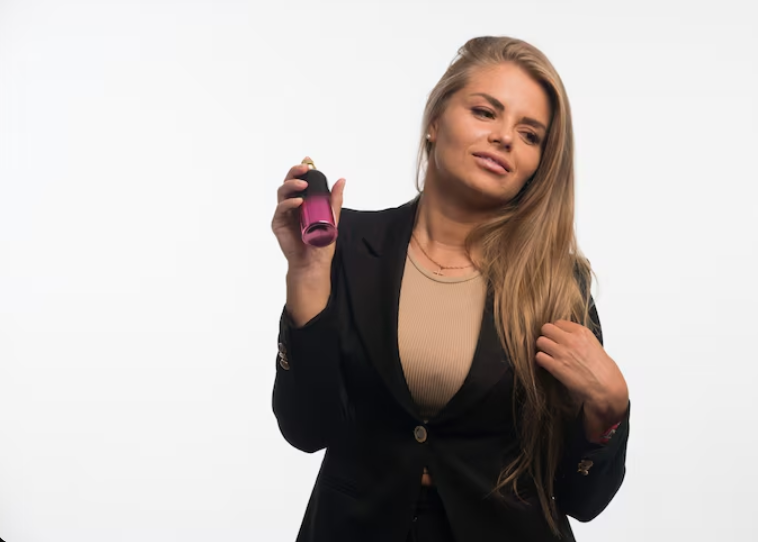
Personal grooming is a normal part of getting ready, but a funeral isn’t usually the best occasion for an overwhelming fragrance or a dramatic beauty look that feels out of place with the service’s expectations.
Some attendees may be sensitive to strong scents, and funeral services often bring people together in enclosed spaces for extended periods.
You can still wear makeup, style your hair, or use your preferred grooming products. The key is to choose an approach that makes you feel comfortable without being overpowering.
A light fragrance or no fragrance at all may be the considerate option in a crowded indoor setting.
How to avoid this mistake: Keep your grooming routine simple if you’re unsure of the setting. Clean, comfortable, and understated is a useful starting point, although individual preferences and cultural traditions differ.
10. Ignoring the Family’s Wishes or Cultural Traditions
Perhaps the most significant mistake is assuming that your own idea of appropriate funeral clothing matters more than the family’s instructions.
A traditional black outfit may be suitable for one service, while another family may request white clothing, traditional cultural dress, bright colors, or a particular theme.
Some ceremonies are formal religious services. Others are celebrations of life, memorial gatherings, or events that reflect the personality and preferences of the person who has died.
There is no single dress code that applies to every situation.
How to avoid this mistake: Read the funeral announcement carefully and ask a family member or organizer if you need clarification. If a specific dress code has been requested, make a reasonable effort to follow it.
When in doubt, a modest, neat, and understated outfit is often a respectful starting point until you can confirm what is expected.
What Should You Wear to a Funeral Instead?
If you’re unsure where to begin, focus on clothing that is comfortable, neat, and appropriate for the particular service.
Here are a few outfit ideas to consider.
For Women
A simple midi dress with flats or low heels is a versatile choice for many traditional services. Alternatively, tailored trousers with a blouse and blazer can look polished without requiring a dress.
A skirt with a modest top is another option. Neutral colors such as black, navy, charcoal gray, and dark brown are often suitable when no specific color has been requested.
For colder weather, add a coat or cardigan. For an outdoor service, choose shoes that are practical for the ground conditions.
For Men
Tailored trousers, a collared shirt, and a blazer can work well for many services. A dark suit and tie may be appropriate for a more formal ceremony, while neat trousers and a simple shirt may be sufficient for a less formal gathering.
The important thing is to consider the family’s wishes, the setting, and local customs rather than assuming every funeral requires a suit.
For Children
Children generally don’t need expensive formal clothing to attend a funeral. Clean, comfortable, age-appropriate clothing in a suitable style is usually a reasonable choice.
If the family has requested particular colors or traditional attire, follow those instructions where practical.
For Outdoor or Graveside Services
Practicality becomes especially important when the service takes place outdoors.
Choose weather-appropriate layers and footwear that can handle grass, gravel, or uneven paths. Avoid shoes that make walking difficult, and consider bringing an umbrella or coat when necessary.
Final Thoughts
Knowing what not to wear to a funeral can help you feel more confident when preparing for a difficult occasion.
Common mistakes include choosing clothing that is too casual for the service, wearing unsuitable footwear, overdoing accessories, overlooking the weather, or ignoring the family’s requested dress code.
However, funeral etiquette isn’t identical everywhere. Cultural traditions, religious practices, personal preferences, and the nature of the service all influence what is appropriate.
You don’t need an expensive outfit or a completely new wardrobe to show respect. Clean, comfortable, well-chosen clothing that follows the family’s wishes is often enough.
Ultimately, the purpose of attending a funeral is to honor the person who has passed away and support those who are grieving. Your outfit should help you participate respectfully and comfortably not become another source of stress during an already difficult time.
0 Comments