
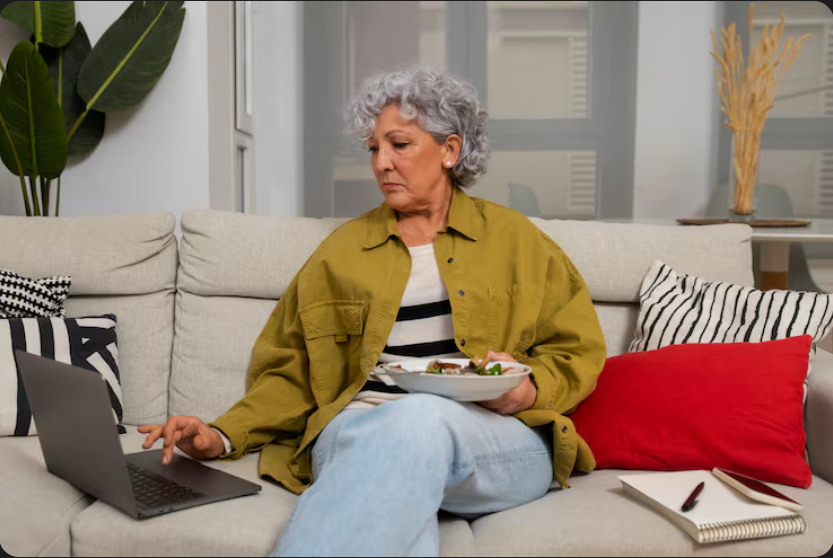
As our loved ones grow older, their needs can change in ways that require greater attention, patience, and support.
Creating a comfortable lifestyle for an elderly parent, grandparent, or other loved one is about much more than providing a place to live. It is about helping them feel safe, respected, independent, comfortable, and emotionally supported.
A thoughtful living environment can make everyday activities easier while giving older adults a greater sense of security and dignity.
Whether an elderly loved one lives independently, with family, or receives professional care, small improvements can make a meaningful difference in their quality of life.
Here are some important reasons why a comfortable lifestyle matters for older adults and practical ways to create one.
1. Comfort Can Improve Everyday Quality of Life
As people age, everyday activities may become more physically demanding.
Getting out of bed, walking around the home, preparing meals, using the bathroom, or simply sitting comfortably can become more challenging.
A comfortable environment can make these daily activities easier.
Supportive furniture, appropriate room temperatures, good lighting, accessible storage, and enough space to move around can all contribute to a more pleasant living experience.
The goal is to create an environment where your loved one can feel comfortable rather than constantly struggling with their surroundings.
2. A Safe Home Helps Prevent Accidents
Safety becomes increasingly important as mobility, balance, eyesight, or strength changes with age.
Simple hazards around the home can create unnecessary risks.
For example, loose rugs, cluttered walkways, poor lighting, and slippery bathroom surfaces can make movement more difficult.
Consider making practical adjustments such as:
- Removing unnecessary clutter from walkways
- Improving lighting in hallways and stairways
- Installing grab bars where appropriate
- Keeping frequently used items within easy reach
- Using non-slip mats in appropriate areas
- Making sure pathways remain clear
These changes do not have to make the home feel clinical.
A safe home can still be warm, attractive, and personal.
3. A Comfortable Environment Can Reduce Stress
Older adults may experience stress for many different reasons.
Changes in health, financial concerns, reduced mobility, loneliness, or the loss of people they love can all affect emotional well-being.
A calm and familiar environment can provide a sense of stability.
Soft lighting, comfortable furniture, familiar photographs, favorite belongings, and a peaceful daily routine can make the home feel more welcoming.
Sometimes, creating comfort is simply about making the person’s surroundings feel familiar and reassuring.
4. Familiar Surroundings Can Provide Emotional Comfort
Many older adults have spent decades building memories in certain homes, neighborhoods, or communities.
Familiar surroundings can therefore have significant emotional value.
Family photographs, treasured books, favorite furniture, artwork, music, and other meaningful possessions can help create a sense of belonging.
Instead of completely changing everything in an elderly loved one’s environment, consider keeping items that hold positive memories.
These small details can make a space feel like home, rather than simply a place where someone receives care.
5. Comfortable Living Can Support Independence
One of the most important aspects of aging is maintaining as much independence as possible.
Needing assistance does not mean an older person should lose their ability to make choices.
Whenever it is safe to do so, allow your loved one to participate in decisions about their daily life.
Let them choose what they want to wear, what meals they prefer, which activities they enjoy, or how they would like their living space arranged.
Small choices can help preserve a sense of control and dignity.
6. Organization Makes Daily Life Easier
An organized home can be especially helpful for an elderly person.
Frequently used items should be easy to find and access.
Avoid placing important belongings in locations that require unnecessary bending, reaching, climbing, or stretching.
For example, everyday clothing, medications, toiletries, kitchen items, and other essentials can be stored in convenient locations.
Reducing unnecessary clutter can also make it easier to move around safely.
A simpler environment often means fewer obstacles and less frustration.
For more ideas about creating a simpler and less stressful lifestyle, see 36 Practical Ways to Simplify Your Life and Make Every Day Easier.
7. Social Connection Matters

Physical comfort is important, but emotional connection matters too.
Loneliness can affect an older person’s overall quality of life, particularly if they have lost friends, retired from work, moved away from familiar surroundings, or have difficulty leaving home.
Make time for meaningful interaction.
You might:
- Have regular family meals
- Call or video chat with them
- Take them for short outings
- Invite friends or relatives to visit
- Watch a favorite movie together
- Play games
- Talk about family memories
- Encourage hobbies and community activities
Even a short conversation can make someone feel remembered and valued.
8. Encourage Enjoyable Hobbies
Retirement and reduced responsibilities can create more opportunities for hobbies.
Encourage activities that your elderly loved one genuinely enjoys.
Reading, gardening, painting, cooking, listening to music, photography, puzzles, crafts, watching movies, or spending time outdoors can provide entertainment and mental stimulation.
The activity does not have to be complicated.
What matters is that it gives the person something meaningful or enjoyable to look forward to.
If they need ideas for simple activities, you can also explore 100 Fun Things to Do When Bored at Home: The Ultimate Activity Guide and adapt suitable activities to their abilities and preferences.
9. Give Them Time to Rest
Older adults may benefit from a slower and more flexible daily routine.
There is no need to fill every hour with activities.
Allow your loved one time to rest, relax, read, listen to music, enjoy a quiet cup of tea, or simply sit comfortably.
A relaxed lifestyle can help reduce unnecessary pressure and allow them to enjoy their day at a comfortable pace.
The goal is to create a routine that balances activity, social interaction, rest, and personal time.
10. Listen to Their Needs
One of the most valuable things you can do for an elderly loved one is listen.
Do not assume you already know what they need.
Ask them.
They may have concerns about their living space, food, sleep, mobility, social life, privacy, or daily routine that they have not mentioned.
Simple questions can open the door to useful conversations:
“Is there anything that would make you more comfortable?”
“Is there anything around the house that is difficult for you?”
“What would you like to change about your daily routine?”
Listening allows you to provide support based on their actual needs rather than assumptions.
11. Respect Their Privacy and Dignity
As people become more dependent on others, maintaining dignity becomes especially important.
Helping someone with personal tasks does not mean treating them like a child.
Speak to them respectfully.
Include them in conversations.
Ask permission when appropriate.
Give them privacy.
Avoid discussing their personal matters in front of others without their consent.
Even when someone needs significant assistance, they are still an adult with their own preferences, experiences, and opinions.
12. Encourage Healthy Routines
A comfortable lifestyle should also include routines that support overall well-being.
Depending on the person’s individual circumstances and advice from their healthcare professionals, this may include regular meals, appropriate physical activity, adequate rest, social interaction, and enjoyable mental activities.
A predictable routine can also make the day feel more manageable.
However, routines should remain flexible.
The purpose is to create structure without making the person feel restricted.
13. Make the Bathroom Safer
Bathrooms deserve particular attention because wet surfaces can increase the risk of falls.
Depending on the person’s needs, useful safety measures may include:
- Non-slip surfaces
- Grab bars
- Adequate lighting
- Easy-to-use fixtures
- A suitable shower chair
- Clear pathways
If mobility or balance is a concern, professional advice may be helpful when deciding which modifications are appropriate.
Safety improvements should be based on the person’s individual needs rather than a one-size-fits-all approach.
14. Keep the Home Comfortable, Not Overwhelming
A comfortable home does not have to be filled with expensive furniture or decorations.
Sometimes less is better.
Too much furniture or clutter can make movement difficult and create unnecessary obstacles.
Choose comfortable pieces that are practical and easy to use.
Keep frequently used items accessible and create clear walking paths throughout the home.
At the same time, avoid making the space feel sterile.
A few meaningful decorations, family photographs, plants, books, and personal possessions can help preserve warmth and personality.
15. Know When Additional Support May Be Helpful

Family members may want to provide all the care themselves, but that is not always realistic.
Depending on an elderly person’s needs, professional caregivers, home-support services, or other appropriate resources may provide valuable assistance.
Seeking help does not mean your family has failed.
Sometimes additional support allows everyone to spend more quality time together while ensuring that practical needs are properly addressed.
If you are considering specialized services such as hospice or other professional care, discuss the available options with qualified healthcare professionals and choose services appropriate to the individual’s circumstances.
16. Make Them Feel Valued
Perhaps one of the simplest ways to improve an elderly loved one’s quality of life is to make them feel valued.
Ask about their memories.
Listen to their stories.
Celebrate important occasions.
Show appreciation.
Tell them that they matter.
Many older adults have spent decades caring for other people.
They deserve to feel cared for too.
Small gestures can have a surprisingly powerful effect.
A phone call, a visit, a favorite meal, or simply sitting beside them can communicate something important:
“You are not forgotten.”
Final Thoughts
Providing a comfortable lifestyle for an elderly loved one is not about creating a perfect home.
It is about creating an environment where they can feel safe, respected, comfortable, connected, and supported.
Simple changes can make a meaningful difference from removing safety hazards and organizing everyday items to encouraging hobbies, maintaining social connections, and respecting their independence.
Most importantly, remember that comfort is not only physical.
Emotional security, dignity, companionship, privacy, and the freedom to make appropriate choices are also important parts of a fulfilling life.
As your loved one grows older, take time to ask what they need, listen to their concerns, and make thoughtful adjustments when possible.
A comfortable lifestyle is ultimately about helping an elderly loved one feel that they are still an important, respected, and valued part of the family.
0 Comments