

Have you ever wanted to feel stronger, improve your health, or become more confident in your own body?
Starting a fitness journey can be an important step toward those goals. Whether you want to lose weight, build muscle, improve your stamina, or simply feel better throughout the day, regular physical activity can support your overall well-being.
However, fitness is about much more than appearance. It can help you develop healthy habits, improve physical function, support mental well-being, and discover activities that make everyday life more enjoyable.
The best part is that you don’t need to transform your entire lifestyle overnight. Small, consistent changes can help you build a routine that fits your needs, preferences, and current fitness level.
Here are seven ways fitness can improve your life, along with practical tips to help you get started.
1. Fitness Can Support Your Overall Health
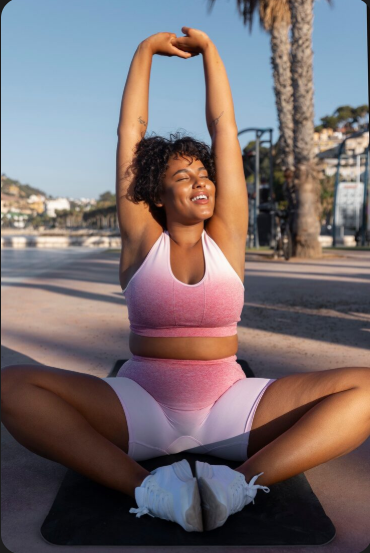
One of the most important benefits of regular physical activity is its contribution to overall health.
Depending on the activities you choose, exercise can help improve cardiovascular fitness, build and maintain muscle strength, support bone health, and improve mobility.
Regular movement can also help you maintain physical independence as you get older.
You don’t need an expensive gym membership to begin. Walking, cycling, swimming, dancing, gardening, and home workouts can all be useful ways to move your body.
The key is to choose activities that are appropriate for your health and fitness level and that you can maintain consistently.
If weight management is one of your goals, remember that health involves more than a number on the scale. Our guide to natural reasons you may not be losing weight and what you can do about it explores some of the factors that can influence weight.
2. It Can Help You Feel More Confident
Confidence doesn’t have to depend on reaching a particular weight or achieving a specific body shape.
Sometimes, confidence grows when you discover that you can do something you once found difficult.
Perhaps you walk for longer without becoming tired, lift a little more weight, complete a workout you previously avoided, or find that everyday activities feel easier.
These achievements can remind you that your body is capable of learning, adapting, and becoming stronger.
Setting realistic fitness goals can also help you develop patience and self-discipline.
Instead of comparing your progress with someone else’s, focus on improvements that matter to you.
You deserve to feel good about yourself at every stage of your journey—not only after reaching a goal.
3. Exercise Can Support Your Mental Well-Being
Physical activity can be a helpful part of looking after your mental health.
Some people find that walking outdoors helps them clear their minds. Others enjoy the sense of accomplishment that follows a workout or the opportunity to take a break from everyday worries.
Regular movement may support mood, sleep, and stress management. However, exercise is not a cure for every mental health condition, and its effects can vary from person to person.
You don’t need to push yourself through exhausting workouts to experience potential benefits.
A gentle walk, a beginner-friendly exercise class, stretching, or dancing to your favorite music can be a reasonable place to start.
If you are also working on reducing stress and creating healthier routines, explore these holistic practices that may support mental health and well-being.
Remember that exercise can complement professional mental health care, but it should not replace treatment when you need it.
4. Fitness Can Help You Feel More Comfortable in Your Clothes
For some people, becoming more physically active is connected to wanting to feel more comfortable in their clothes.
Building strength, improving mobility, and developing healthier habits may help you feel more at ease in everyday activities and personal style choices.
However, you don’t have to lose weight before wearing the clothes you love.
Your body deserves comfort, self-expression, and respect at its current size.
If you want to improve your fitness, set goals that support your health rather than making your self-worth depend on changing your appearance.
You can enjoy fashion, experiment with new styles, and feel confident while working toward personal goals—or without pursuing weight loss at all.
5. You Can Discover New Hobbies and Meet People
Fitness can create opportunities to connect with people who share your interests.
You might join a walking group, attend a beginner dance class, try swimming lessons, participate in a recreational sports league, or exercise with a friend.
These activities can make movement feel more enjoyable because you’re doing something social rather than treating exercise as another obligation.
Group activities may also help you develop a sense of belonging and encourage you to maintain a routine.
You don’t need to be highly athletic to participate. Look for beginner-friendly options where people can progress at their own pace.
If you prefer exercising alone, that is perfectly fine, too. The best activity is one that fits your personality and makes you want to return to it.
6. Building Strength Can Make Everyday Tasks Easier
Fitness isn’t only about what happens during a workout.
Improving strength, balance, flexibility, and endurance can help with everyday activities, from carrying shopping bags to climbing stairs and playing with children.
Strength training can be particularly useful for building and maintaining muscle.
Depending on your abilities and preferences, you might try bodyweight exercises, resistance bands, light weights, or supervised strength-training sessions.
Start with exercises that match your current ability and increase the challenge gradually.
If you have an existing medical condition, persistent pain, or concerns about exercising safely, seek advice from a qualified healthcare professional before starting a new routine.
You don’t have to train like an athlete to benefit from becoming stronger. Small improvements can make a meaningful difference to daily life.
7. Fitness Can Help You Build a More Balanced Lifestyle
A fitness journey can encourage you to pay attention to other areas of your health.
You may begin prioritizing sleep, preparing balanced meals, drinking enough water, taking breaks from sitting, or finding healthier ways to manage stress.
These habits can reinforce one another.
For example, better sleep may leave you feeling more energetic, while regular movement may help you develop a more consistent daily routine.
You don’t need to change everything at once. Choose one or two habits that feel realistic and build from there.
If you want more ideas for creating a healthier relationship with your daily routine, read these 36 practical ways to simplify your life and make every day easier.
A sustainable lifestyle isn’t about being perfect. It’s about finding a balance that supports your physical health, emotional well-being, and everyday responsibilities.
How to Start Your Fitness Journey
Starting can feel intimidating if you haven’t exercised regularly or don’t know which activities are right for you.
The good news is that you can begin with simple steps.
Choose an Activity You Enjoy
Think about the kinds of movement you actually like.
You might prefer walking outdoors, dancing at home, cycling, swimming, or following a beginner-friendly workout.
Choosing something enjoyable can make it easier to stay consistent.
Start at Your Current Fitness Level
Avoid comparing yourself with people who have been exercising for years.
Begin with a manageable amount of activity and increase it gradually as your fitness improves.
Even short periods of movement can be a useful starting point.
Set Realistic Goals
Instead of focusing only on losing a certain amount of weight, consider goals such as walking regularly, improving stamina, building strength, or becoming more flexible.
Specific, achievable goals can help you recognize progress without creating unnecessary pressure.
Make Time for Recovery
Your body needs time to recover between challenging workouts.
Rest, adequate sleep, and appropriate nutrition are important parts of a sustainable fitness routine.
You do not need to exercise intensely every day to make progress.
Be Patient With Yourself
Results rarely happen overnight.
Your energy, strength, endurance, and physical abilities may improve at different rates. Weight can also fluctuate naturally, so one scale reading does not tell the whole story.
Focus on building habits that support your health over time rather than expecting immediate changes.
Healthy Weight Loss Should Not Come at the Expense of Your Well-Being
If losing weight is one of your goals, aim for an approach that supports your nutritional needs and overall health.
Extreme dieting, excessive exercise, and unrealistic expectations can make fitness harder to maintain and may put your health at risk.
Your individual needs depend on factors such as age, medical history, current weight, medications, and activity level.
Some people may benefit from weight loss, while others may be healthier maintaining their current weight or focusing on strength and fitness instead.
If you are unsure what is appropriate for you, a qualified healthcare professional or registered dietitian can help you develop a suitable plan.
It’s also important to recognize that being underweight can carry health risks. Read our guide to whether being underweight is healthy and the potential risks of low body weight for more information.
The goal is not to punish your body into changing. It is to support your health with habits that are appropriate for your circumstances.
Final Thoughts
Fitness can be a valuable way to support your physical health, develop strength, improve stamina, and create a more balanced lifestyle.
It may also help you feel more confident, discover enjoyable activities, and make time for your own well-being.
But you don’t need a dramatic transformation to benefit from movement.
Start where you are. Choose activities you enjoy. Set realistic goals. Give yourself time to improve, and remember that rest is part of the process.
Most importantly, don’t measure your entire journey by your appearance or the number on the scale.
The real value of fitness is building a healthier, stronger, and more fulfilling life—one manageable step at a time.
Disclaimer: This article is for general informational purposes only and is not a substitute for individualized medical or fitness advice. Consult a qualified healthcare professional before starting a new exercise program if you have a medical condition, injury, or concerns about your ability to exercise safely.
0 Comments