
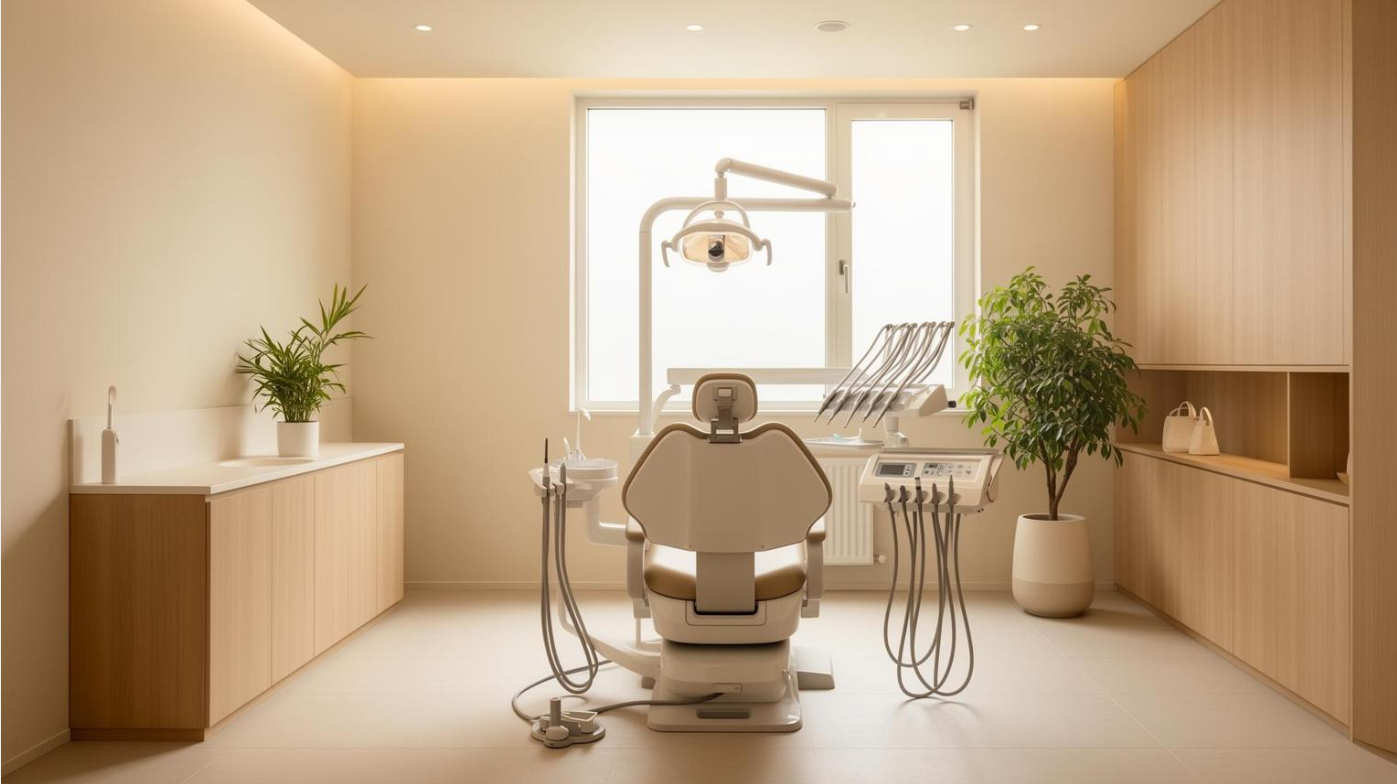
For many people, a dental appointment begins long before they sit in the dentist’s chair. It starts with the anticipation, the unfamiliar sounds, the bright lights, and the uncertainty of what might happen during treatment.
Even a routine checkup can feel stressful when you are nervous about dental visits.
If you experience dental anxiety, you are not alone. Whether your fear comes from a previous uncomfortable experience, sensitivity to pain, or simply not knowing what to expect, there are practical ways to make your next appointment feel more manageable.
The goal isn’t to force yourself to feel completely relaxed. It’s to give yourself the information, support, and sense of control you need to approach dental care with greater confidence.
Here are seven ways to find a little more calm before the dental chair.
1. Remind Yourself That It’s Okay to Feel Nervous
One of the first steps toward managing dental anxiety is accepting that your feelings are real.
You don’t need to feel embarrassed about being nervous. You also don’t need to pretend that everything is fine when it isn’t.
Before your appointment, try reminding yourself:
- I am allowed to feel nervous.
- I can ask questions whenever I need to.
- I can tell the dental team what makes me uncomfortable.
- I can ask for a break during treatment.
- Taking care of my health is worth the effort.
These reminders won’t necessarily make anxiety disappear, but they can help you approach the appointment with a more supportive mindset.
Instead of criticizing yourself for being afraid, focus on what might help you feel safer and more prepared.
2. Choose a Dental Professional You Feel Comfortable With

Trust can make a significant difference when you’re receiving dental care.
A dentist should be willing to listen to your concerns, explain recommended procedures, and discuss ways to make treatment more comfortable.
If you’re nervous, let the dental office know before your appointment. You can explain whether you have experienced dental anxiety in the past, whether certain sounds or procedures worry you, and whether you need additional reassurance.
During your consultation, consider asking:
- What will happen during this appointment?
- How long is the procedure expected to take?
- What sensations might I experience?
- What options are available if I feel uncomfortable?
- Can we agree on a signal if I need a break?
A good conversation can help you understand what to expect and give your dental team an opportunity to address your concerns.
Remember, you are allowed to ask questions before agreeing to treatment.
3. Understand That Discomfort Should Be Discussed
One common reason people avoid dental appointments is the fear of pain.
Some dental procedures can involve pressure, sensitivity, or temporary discomfort. However, you should not feel that you must silently tolerate pain during treatment.
Before a procedure begins, discuss your concerns about discomfort with your dentist.
Depending on the treatment, your dental professional may explain options such as local anesthesia or other approaches to improve comfort.
If you experience pain during a procedure, communicate it immediately. Your dentist can assess what is happening and discuss the appropriate next step.
It is also helpful to remember that different people experience dental procedures differently. What feels manageable to one person may feel uncomfortable to someone else.
Your concerns deserve to be taken seriously.
If you’re considering ways to improve your smile, you may also enjoy reading our guide to transforming your smile with Invisalign treatment, which explains some of the considerations involved in this popular orthodontic option.
4. Agree on a Stop Signal Before Treatment Begins
One of the most reassuring things you can do before a dental procedure is agree on a simple signal that means you need the dentist to pause.
For example, you might agree to raise your left hand if you feel overwhelmed, need to ask a question, or want a short break.
This small arrangement can help you feel more involved in the process.
It also gives your dental team a clear way to recognize when you need attention.
Before treatment starts, ask:
“If I need you to stop for a moment, can I raise my hand?”
Your dentist can explain how the signal will work and when it is safe to pause.
Knowing that you have a way to communicate during treatment may make the experience feel less intimidating.
5. Use Breathing and Relaxation Techniques
Anxiety can cause your muscles to tense and your breathing to become faster or shallower.
Taking a few slow breaths may help you settle before your appointment.
Try this simple exercise while waiting:
- Sit comfortably and relax your shoulders.
- Breathe in slowly through your nose.
- Exhale gently without forcing your breath.
- Repeat several times at a comfortable pace.
- Notice whether your jaw, shoulders, and hands are holding tension.
You can also try a simple body scan.
Start by noticing the muscles in your forehead, then your jaw, neck, shoulders, arms, and hands. Gently release tension wherever you notice it.
These techniques are not a replacement for professional support if your anxiety is severe, but they can be useful tools to try before and during a dental visit.
For more ideas about making your well-being a priority, explore our guide to developing a self-care and wellness routine.
6. Bring a Distraction That Helps You Feel Comfortable
Sometimes, focusing too closely on every sound and sensation can make dental anxiety feel worse.
If your dental office allows it, consider bringing something that helps you relax.
You might try:
- Listening to calming music through headphones.
- Playing a familiar podcast or audiobook.
- Bringing a small stress ball.
- Asking whether the office offers television or other distractions.
- Visualizing a peaceful place, such as a quiet beach or garden.
Before using headphones or other items, check with the dental team to make sure they won’t interfere with communication or treatment.
The idea is to give your mind something reassuring to focus on while remaining able to hear important instructions.
7. Remember Why Your Dental Health Matters
When you’re anxious, it can be easy to focus entirely on the appointment itself.
Try to remember the bigger reason you’re there: looking after your oral health.
Regular dental care can help your dental professional identify concerns, monitor changes, and discuss ways to maintain your teeth and gums.
Putting off an appointment because of fear may allow some dental problems to go unnoticed or become more difficult to manage.
You don’t have to love going to the dentist to recognize that your health deserves attention.
Taking that step, even when you’re nervous, is something you can feel good about.
For a broader perspective on caring for your overall well-being, you can also read about integrating holistic practices for mental health.
What If Your Dental Anxiety Feels Overwhelming?
For some people, dental anxiety goes beyond ordinary nervousness.
You may feel intense fear before an appointment, struggle to sleep the night before, experience panic in the waiting room, or repeatedly postpone necessary treatment.
If this sounds familiar, tell your dentist.
Depending on your needs, your dental professional may discuss options such as:
- Breaking treatment into shorter or more manageable appointments.
- Providing additional explanations and reassurance.
- Using agreed-upon pauses during treatment.
- Discussing appropriate anxiety-management techniques.
- Considering sedation options when clinically suitable.
If dental fear is preventing you from receiving necessary care, ask your dentist about additional support or a referral to a professional experienced in treating dental anxiety.
You deserve care that takes both your oral health and emotional comfort seriously.
A Few Things to Do Before Your Next Dental Appointment
A little preparation can make the day feel less overwhelming.
Before you leave home:
- Confirm the appointment time and location.
- Write down questions you want to ask.
- Tell the dental office about any concerns in advance.
- Bring any permitted comfort items, such as headphones.
- Allow enough time to arrive without rushing.
- Ask whether a trusted support person can accompany you if that would help.
- Discuss any previous negative dental experiences with your care team.
You don’t need to prepare for every possible situation. Just focus on the steps that help you feel informed and supported.
Final Thoughts: A Calmer Visit Starts With Communication
The quiet moments before a dental appointment can sometimes be the most difficult.
Your thoughts may wander toward uncomfortable possibilities, especially if you have had a negative experience in the past.
But you don’t have to face those worries without support.
Talk to your dentist, ask questions, agree on a signal for breaks, and explore relaxation techniques that work for you.
Remember that you have a voice in your dental care. Your concerns matter, and your dental team should understand what you need to feel more comfortable.
You may still feel a little nervous when you enter the dental office, and that’s okay.
Taking care of yourself doesn’t require you to be fearless. Sometimes, it simply means taking the next step, one appointment at a time.
A healthier smile begins with care, communication, and the confidence to speak up about what you need.
0 Comments