
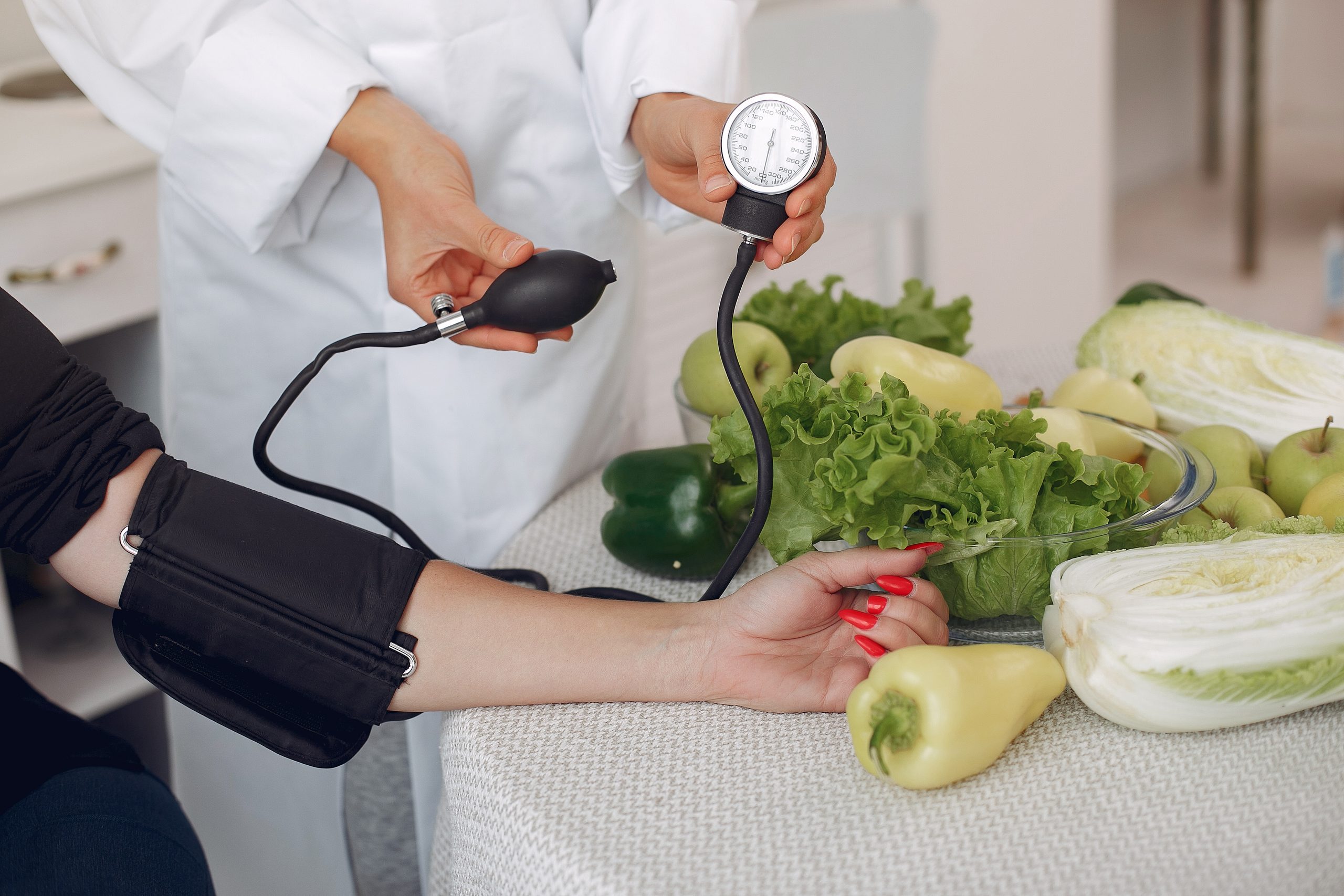
High blood pressure, also known as hypertension, is a common health condition that can increase the risk of heart disease, stroke, and kidney problems when it is not properly managed.
One challenge is that high blood pressure often has no noticeable symptoms. A person can feel perfectly well while their blood pressure remains elevated, which is why regular monitoring and appropriate medical care are important.
The good news is that everyday habits can make a meaningful difference. Eating a balanced diet, staying physically active, reducing excess sodium, managing stress, and limiting alcohol may help improve blood pressure control.
However, natural approaches are not a guaranteed cure. Some people need prescription medication alongside lifestyle changes to manage their blood pressure safely.
Here are eight practical ways to support healthier blood pressure levels.
1. Maintain a Weight That Supports Your Health
For people who are overweight, losing weight gradually may help lower blood pressure. Even modest changes can be beneficial for some individuals.
Rather than following a restrictive diet or pursuing rapid weight loss, focus on habits you can maintain over time.
Consider eating balanced meals, choosing nourishing snacks, and finding physical activities that you enjoy. Small, consistent changes are generally more sustainable than drastic short-term plans.
Your ideal weight depends on several factors, including your height, age, medical history, and overall health. Not everyone with high blood pressure needs to lose weight.
If you are already underweight or have an underlying medical condition, speak with a healthcare professional before making major dietary changes.
2. Make Regular Physical Activity Part of Your Routine
Regular movement can help lower blood pressure, support heart health, improve fitness, and reduce stress.
You do not necessarily need an intense workout. Activities such as brisk walking, cycling, swimming, dancing, and other forms of moderate exercise can be useful.
For many adults, a common goal is at least 150 minutes of moderate-intensity aerobic activity each week, adjusted to individual abilities and medical needs.
If you have been inactive, begin gradually. You might start with a short walk and increase your activity as your fitness improves.
Try these simple ways to move more:
- Take a walk during a break.
- Use the stairs when appropriate.
- Schedule regular movement throughout the week.
- Choose activities that you genuinely enjoy.
- Break up long periods of sitting.
If you have very high blood pressure, heart disease, or another significant medical condition, ask your healthcare professional what level of exercise is appropriate for you.
3. Reduce Excess Sodium in Your Diet
Eating too much sodium can contribute to higher blood pressure, particularly in people who are sensitive to its effects.
Much of the sodium in many diets comes from packaged, processed, and restaurant foods rather than just the salt added at the table.
To reduce your intake, consider:
- Comparing sodium levels on food labels
- Choosing lower-sodium canned foods when available
- Eating more meals prepared at home
- Using herbs, spices, lemon, or garlic for flavor
- Limiting heavily salted snacks and processed meats
- Asking for sauces and dressings separately when dining out
The American Heart Association recommends no more than 2,300 milligrams of sodium per day for most adults, with an ideal limit of 1,500 milligrams for many adults, particularly those with high blood pressure. Your clinician can help you determine an appropriate target for your circumstances.
Reducing sodium is one useful step, but it works best as part of an overall heart-healthy eating pattern.
4. Choose More Heart-Healthy Foods
A balanced diet can support blood pressure management and overall cardiovascular health.
One eating pattern often recommended for people with high blood pressure is the DASH diet, which stands for Dietary Approaches to Stop Hypertension.
This approach emphasizes fruits, vegetables, whole grains, beans, nuts, and other nutrient-rich foods. It also encourages appropriate portions of lean protein and lower-fat dairy products, while limiting excess sodium, saturated fat, and added sugars.
You can start without changing everything at once.
For example, add vegetables to one meal, choose fruit as a snack, or replace some refined grains with whole grains.
Foods containing potassium may also support healthy blood pressure by helping counter some of sodium’s effects. However, potassium supplements and potassium-based salt substitutes are not suitable for everyone, especially people with kidney disease or those taking certain medications.
Ask your healthcare professional before making major changes to potassium intake if you have a relevant medical condition or take blood pressure medication.
5. Find Healthy Ways to Manage Stress
Stress can temporarily increase blood pressure, and ongoing stress may make it harder to maintain healthy routines.
Managing stress cannot replace medical treatment, but it may help support your overall health.
Try incorporating small periods of relaxation into your day.
You might practice gentle breathing, listen to music, spend time outdoors, write in a journal, or talk with someone you trust.
Mindfulness and meditation may also help some people respond to stress more calmly.
If your schedule feels overwhelming, consider identifying tasks that can be postponed, delegated, or simplified. You do not need to solve every problem at once.
For additional ideas, read our guide to holistic practices for mental health and well-being.
If stress, anxiety, or low mood is persistent and affecting your daily life, professional support may be helpful.
6. Avoid Smoking and Be Careful With Alcohol
Smoking can damage blood vessels and increase cardiovascular risk. Quitting smoking is an important step toward protecting your heart and overall health.
If you smoke, you do not have to manage quitting alone. A healthcare professional can discuss counseling, quit-smoking programs, and medications that may improve your chances of success.
Alcohol can also raise blood pressure, particularly when consumed in larger amounts. If you drink, reducing your intake may help with blood pressure management. Avoiding alcohol is also a reasonable option.
If you do not drink, there is no health reason to start drinking for heart benefits.
Remember that alcohol and tobacco affect health in different ways, so addressing both can be valuable even if your blood pressure readings appear normal.
7. Monitor Your Blood Pressure at Home
Checking your blood pressure at home can help you and your healthcare professional understand how your readings change over time.
Use a validated automatic upper-arm blood pressure monitor with a cuff that fits properly. Follow the device instructions and your clinician’s recommendations for how often to measure your blood pressure.
For more reliable readings:
- Avoid smoking, caffeine, and exercise for about 30 minutes before measuring.
- Empty your bladder before taking a reading.
- Sit quietly for five minutes.
- Keep your back supported and your feet flat on the floor.
- Rest your arm at heart level.
- Take readings as directed and record the results.
Do not rely on a single reading to judge your overall blood pressure control. Your healthcare professional can help interpret the pattern and determine whether your treatment plan is working.
For more guidance, see the American Heart Association’s home blood pressure monitoring advice.
Important: Never stop taking prescribed blood pressure medication simply because your home readings improve. Discuss medication changes with your healthcare professional.
8. Protect Your Sleep and Review Your Daily Habits
Sleep is another important part of overall cardiovascular health.
Poor sleep and certain sleep disorders, including obstructive sleep apnea, can be associated with high blood pressure.
Try to keep a consistent sleep schedule, create a comfortable sleeping environment, and allow enough time for rest.
If you snore loudly, wake up gasping, or regularly feel very sleepy during the day, discuss these symptoms with a healthcare professional.
It can also be useful to review other parts of your routine. Certain over-the-counter medicines, decongestants, anti-inflammatory pain relievers, stimulants, and supplements may affect blood pressure.
Ask a pharmacist or healthcare professional whether any products you use could interfere with blood pressure control. Do not discontinue a prescribed medicine on your own.
Can You Control High Blood Pressure Naturally Without Medication?
Sometimes lifestyle changes can improve blood pressure enough to reduce the need for medication, depending on the individual’s readings and overall cardiovascular risk. However, this is not guaranteed.
Many people need medication as well as lifestyle changes to reach a safe blood pressure range.
The appropriate treatment depends on factors such as your average blood pressure, medical history, kidney function, diabetes status, and risk of cardiovascular disease.
Do not replace prescribed treatment with herbal remedies, supplements, or special drinks advertised as natural cures. These products may be ineffective, interact with medication, or even raise blood pressure.
If you would prefer to reduce medication or are concerned about side effects, speak with your healthcare professional. They can review your treatment options and make changes safely when appropriate.
When Is High Blood Pressure an Emergency?
Very high blood pressure can sometimes require urgent medical attention.
If your blood pressure reading is higher than 180 systolic and/or 120 diastolic, wait at least one minute and measure it again.
If it remains that high and you have symptoms such as chest pain, shortness of breath, weakness, numbness, vision changes, or difficulty speaking, call 911 immediately.
If the repeat reading remains above 180 systolic and/or 120 diastolic without those symptoms, contact a healthcare professional promptly for guidance.
Do not wait for symptoms to develop before taking high blood pressure seriously. Regular monitoring and follow-up can help identify problems early.
Frequently Asked Questions
What is the best natural way to lower blood pressure?
There is no single best method for everyone. A heart-healthy eating pattern, reducing excess sodium, regular physical activity, maintaining a suitable weight, and limiting alcohol can all support blood pressure control.
Can walking help lower blood pressure?
Yes. Regular walking and other moderate physical activities can help lower blood pressure over time. Start at a comfortable pace and ask a healthcare professional about exercise restrictions if you have significant health concerns.
Which foods should I limit if I have high blood pressure?
Consider limiting high-sodium processed foods, heavily salted snacks, and foods high in saturated fat or added sugar. A balanced diet with vegetables, fruits, whole grains, and suitable protein sources is generally recommended.
Does stress cause high blood pressure?
Stress can temporarily raise blood pressure. The relationship between ongoing stress and long-term hypertension is more complex, but stress-management practices can support overall health and help you maintain healthy routines.
How often should I check my blood pressure?
The appropriate frequency depends on your diagnosis, treatment, and healthcare professional’s advice. If you have been diagnosed with hypertension, home monitoring may help track how well your treatment is working.
Final Thoughts
Managing high blood pressure often involves a combination of consistent daily habits, regular monitoring, and appropriate medical care.
Eating a balanced diet, reducing excess sodium, moving regularly, managing stress, avoiding smoking, limiting alcohol, and protecting your sleep can all contribute to better cardiovascular health.
You do not need to change everything overnight. Start with manageable steps and build a routine that fits your life.
Most importantly, remember that natural lifestyle changes can complement medical treatment, but they do not replace it when medication is needed. Work with a qualified healthcare professional to find an approach that safely meets your needs.
Medical disclaimer: This article is for general educational purposes only. It is not a substitute for individualized medical advice, diagnosis, or treatment.
0 Comments