
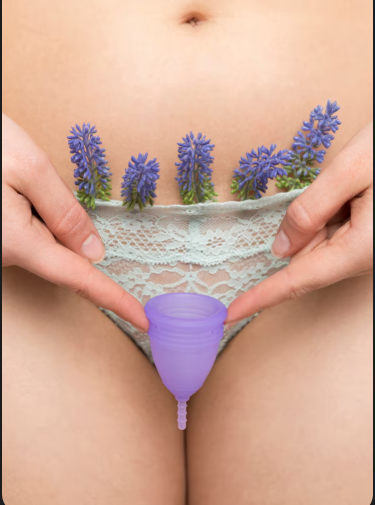
Period underwear can make menstruation easier to manage, but unpleasant odors can sometimes develop during wear, washing, or storage. If you’ve noticed a smell coming from your period panties, you’re not alone. Menstrual blood, sweat, trapped moisture, and laundry buildup can all contribute to unwanted odors.
Fortunately, a few simple habits can help keep reusable period underwear clean, comfortable, and ready to wear.
In this guide, you’ll discover nine practical tips for preventing odor in period panties, learn how to wash and store them properly, and understand when an unusual smell may be a sign that you should speak with a healthcare professional.
Do Period Panties Normally Have an Odor?
Yes. Menstrual blood can have a natural scent, and that smell may become more noticeable after the blood has been absorbed into fabric for some time. Sweat and moisture can also contribute, especially during exercise, warm weather, or long days away from home.
The key is to distinguish a mild menstrual smell from a strong, unusual, or persistent odor.
A noticeable fishy smell, especially when accompanied by unusual discharge, itching, burning, or discomfort, may indicate a vaginal health issue. It is best not to assume that every odor comes from the underwear itself.
Period underwear also varies by brand, absorbency, and construction. Always follow the manufacturer’s instructions for how long to wear it and how to care for it.
What Causes Odor in Period Underwear?
Understanding the possible causes makes it easier to choose the right solution.
1. Menstrual Blood Remaining in the Fabric
Period panties absorb menstrual flow, and the scent can become more noticeable as blood remains in the material. This is particularly likely when the underwear is heavily saturated or has been worn longer than is comfortable.
Changing into a clean pair when needed and washing used underwear according to the care label can help reduce lingering smells.
2. Sweat and Trapped Moisture
Sweating is a normal bodily function. However, moisture can build up around the genital area during exercise, hot weather, or prolonged activity.
When underwear remains damp, it may become less comfortable and develop an unpleasant smell.
3. Delayed Washing
Leaving used period underwear damp in a laundry basket or tightly sealed bag for an extended period can make odors harder to remove.
If you cannot wash your underwear immediately, follow the product’s care instructions and avoid storing it wet for longer than necessary.
4. Washing or Drying Problems
Detergent residue, fabric softener, inadequate rinsing, and incomplete drying may contribute to lingering odors.
Because period underwear often contains multiple absorbent layers, the right cleaning method depends on the product. Check the care label instead of assuming every pair should be washed identically.
5. A Vaginal Health Concern
Sometimes the odor comes from the vaginal area rather than the fabric.
A strong or persistent fishy smell, unusual discharge, itching, burning, or pelvic discomfort can be associated with conditions such as bacterial vaginosis or other vaginal problems. Smell alone cannot establish a diagnosis.
If the odor is new or unusual, avoid trying to mask it with scented products. A healthcare professional can help determine the cause and recommend appropriate treatment.
9 Ways to Prevent Odor in Period Panties
These practical habits can help you manage menstrual odor while keeping your period underwear clean and comfortable.
1. Change Your Period Underwear When Needed
One of the simplest ways to manage odor is to change into a clean pair before your underwear becomes overly saturated or uncomfortable.
How often you need to change depends on your menstrual flow, the absorbency of your underwear, your activity level, and the manufacturer’s instructions.
Don’t rely on one fixed schedule for every product. Change sooner if your underwear feels wet, becomes uncomfortable, leaks, or reaches its absorbency limit.
If you have a heavy flow, you may need to change more frequently or use another menstrual product alongside your period underwear.
Helpful tip: Keep a spare pair in your bag when you’re away from home. A small waterproof bag can help you carry used underwear until you can wash it.
2. Choose Period Underwear With the Right Absorbency
The right absorbency level can help prevent leaks and make it easier to feel comfortable throughout the day.
Period underwear is available in different designs for light, moderate, and heavier flow. A pair designed for light days may not provide enough protection during a heavier period.
Before buying, consider:
- Your usual menstrual flow
- How long you expect to be away from home
- Whether you exercise or sweat frequently
- The fit and comfort of the underwear
- The product’s absorbency and care instructions
Choosing the right product is about comfort and protection, not eliminating every natural menstrual smell.
Helpful tip: If your flow changes throughout your cycle, consider having different absorbency levels for lighter and heavier days.
3. Wash Your Period Panties According to the Care Label
Proper washing helps remove menstrual residue and sweat that may contribute to lingering odors.
Reusable period underwear can contain specialized absorbent layers, so washing instructions differ between brands.
A sensible washing routine is to:
- Read the manufacturer’s care instructions.
- Rinse the underwear if the label recommends it, often using cool water to remove excess blood.
- Wash with a suitable laundry detergent at the recommended temperature.
- Follow the instructions for rinsing and washing-machine settings.
- Dry the underwear completely before putting it away.
Avoid using bleach, fabric softener, or other laundry additives unless the manufacturer says they are suitable for the product.
If the smell remains after washing, review the care instructions before trying a different cleaning method.
Helpful tip: Keep used period underwear separate from clean laundry until it has been washed.
4. Avoid Scented Products That Can Irritate Sensitive Skin
It can be tempting to use scented detergent, fragrance sprays, powders, or feminine deodorants to make period underwear smell fresher.
However, scented products can irritate sensitive genital tissue, and products applied to the vulva or inside the vagina may worsen symptoms rather than solve the underlying problem.
Instead, use a suitable laundry detergent according to the garment’s care label. For personal hygiene, gently clean the external genital area and avoid vaginal douching or intimate deodorants.
You do not need to make your genital area smell like perfume to be clean.
Helpful tip: If you experience itching or irritation after wearing freshly washed underwear, consider whether a laundry product could be contributing. Seek medical advice if symptoms persist.
5. Keep Your External Genital Area Clean and Dry
Gentle menstrual hygiene can help you stay comfortable throughout your period.
Wash the external genital area, known as the vulva, gently with lukewarm water. If you use soap, choose a mild, fragrance-free product and avoid applying it to sensitive inner areas if it causes irritation.
The vagina cleans itself naturally, so washing inside it is unnecessary.
After bathing, gently pat the area dry with a clean towel. Change out of damp underwear or sweaty clothing when practical.
For more ideas about looking after your overall well-being, read 10 Things I Stopped Doing to Enjoy More Peace in My Life.
Helpful tip: Focus on gentle external hygiene rather than trying to eliminate every natural scent.
6. Choose Comfortable, Breathable Clothing
Clothing that traps heat and moisture may make some people feel less comfortable during menstruation.
Choose underwear and clothing that fit comfortably and allow you to move without excessive friction. Breathable fabrics may help with comfort, particularly if you sweat during the day.
Period underwear often contains several layers of specialized material, so breathability varies by design. Look for a product that feels comfortable and suits your needs rather than relying on fabric type alone.
Consider changing out of damp workout clothes promptly, especially after exercise.
Helpful tip: If your underwear frequently causes rubbing, itching, or discomfort, try a different fit or product style.
7. Store Used Period Panties Properly
If you cannot wash your period underwear immediately, storing it appropriately can help prevent odors from becoming more difficult to remove.
When traveling or working, a washable or waterproof wet bag can keep used underwear separate from your other belongings. Avoid leaving damp underwear tightly sealed for an extended period.
At home, follow the manufacturer’s instructions for handling used underwear before washing. Once washed, store clean pairs only after they are completely dry.
Small changes to everyday routines can also make self-care easier. You may find these 36 Practical Ways to Simplify Your Life and Make Every Day Easier helpful.
Helpful tip: Keep clean and used underwear in separate compartments when traveling.
8. Let Your Period Underwear Dry Completely
Drying is an important part of caring for reusable menstrual products.
Underwear that is put away while damp may develop a musty smell, particularly when stored in a drawer or laundry basket with limited airflow.
After washing, follow the manufacturer’s drying instructions. Some products can be air-dried, while others have specific restrictions on tumble drying or heat.
Check that the absorbent layers are fully dry before storing the underwear. The outer fabric may feel dry before the thicker inner layers have finished drying.
Helpful tip: If you air-dry your period panties, allow enough time for every layer to dry. Avoid high heat unless the care label permits it.
9. Know When an Unusual Odor Needs Medical Attention
Period underwear can develop an odor for ordinary reasons, but a strong or persistent smell from the vaginal area should not automatically be blamed on menstrual blood or laundry.
Consider contacting a healthcare professional if you notice:
- A new or persistent fishy odor
- Unusual vaginal discharge
- Itching, burning, or ongoing irritation
- Pain when urinating
- Pelvic discomfort or pain
- Symptoms that continue despite gentle hygiene and changing products
These symptoms can have several causes, including bacterial vaginosis and other vaginal conditions. A clinician can assess your symptoms and recommend appropriate treatment.
Avoid using intimate deodorants, douches, or home remedies to cover up persistent symptoms. These may cause irritation or delay appropriate care.
If stress or everyday demands are making it difficult to prioritize your well-being, you may also find 6 Practical Steps to Find Relief When Life Feels Too Much helpful.
Helpful tip: If you cannot tell whether the smell comes from the underwear or your body, note when it occurs and whether it persists after changing into a clean pair. This information may help you explain your symptoms to a healthcare professional.
Frequently Asked Questions About Period Panty Odor
Why do my period panties smell even after washing?
Lingering odor may result from menstrual residue, detergent buildup, incomplete drying, or storage while damp. Check the care instructions and make sure the underwear dries completely before storing it.
If the smell seems to come from your vaginal area rather than the fabric, especially if it is strong or persistent, consider seeking medical advice.
How often should I change my period underwear?
The frequency depends on your flow, the product’s absorbency, your activity level, and the manufacturer’s instructions. Change it sooner if it becomes saturated, feels wet or uncomfortable, or no longer provides adequate protection.
There is no single schedule that works for every person and every product.
Can I use perfume or feminine deodorant to hide period odor?
It is best to avoid perfume, vaginal deodorants, and scented sprays on or around sensitive genital tissue. These products may cause irritation and do not address the cause of an unusual vaginal odor.
Gentle external hygiene and proper menstrual product care are better starting points.
Is a fishy smell during my period normal?
Menstrual odor can vary, but a strong fishy smell may be associated with bacterial vaginosis or another vaginal condition.
If the smell is new or persistent, or you also notice unusual discharge or irritation, contact a healthcare professional for assessment.
Can I wear period underwear overnight?
Some period underwear is designed for overnight use, but suitability depends on its absorbency, your flow, and the manufacturer’s guidance.
Choose a product designed for your needs and change it if it becomes saturated or uncomfortable. If your flow is heavy, you may need additional protection.
How can I stop my period panties from smelling musty?
Wash them according to the care label, rinse as directed, and allow them to dry completely before storage. Avoid leaving used underwear damp for extended periods.
If the musty smell persists, review the cleaning instructions and check whether the product needs replacing.
Final Thoughts
Learning how to prevent odor in period panties can make menstruation more comfortable and help reduce the frustration of dealing with lingering smells.
The most useful habits are simple: choose the right absorbency, change your underwear when needed, wash it according to the care label, avoid unnecessary fragrances, and make sure it dries completely before storage.
Remember that menstrual blood can have a natural scent. A mild odor does not automatically mean something is wrong, and you do not need scented products to be clean.
However, a new, strong, or persistent vaginal odor—especially with itching, burning, unusual discharge, or pelvic discomfort—should not simply be covered up. A healthcare professional can help identify the cause and recommend appropriate treatment.
With appropriate product care and gentle hygiene, you can feel more comfortable and confident throughout your period.
0 Comments