

Cheating can change the way a person behaves almost immediately.
After an affair or secret relationship, someone may become more secretive, unusually affectionate, defensive, distant, or anxious about being questioned.
But here’s something important to remember:
None of these behaviors automatically proves that someone has cheated.
People behave differently after making a mistake, hiding something, feeling guilty, fearing consequences, or simply dealing with unrelated stress.
That’s why it’s better to look at patterns of behavior rather than treating one unusual action as proof of infidelity.
If you already know your partner cheated, these changes may also help you understand what can happen immediately afterward.
Here are eight behaviors that some people may display after cheating on a partner.
1. They Become More Protective of Their Phone
One of the most noticeable changes after cheating can involve a person’s phone.
Someone who previously left their phone on the table may suddenly keep it with them everywhere.
They may turn the screen away when receiving messages, change their password, delete conversations, or become uncomfortable when you are nearby while they’re texting.
If there was an affair, increased phone secrecy can sometimes be connected to trying to hide communication with another person.
However, phone privacy alone isn’t proof of cheating.
People can become more protective of their phones for many reasons.
The important question is whether there has been a significant change from their normal behavior, especially when that change occurs alongside other concerning patterns.
2. They May Become More Defensive When Asked Simple Questions

After cheating, some people may become unusually defensive because they’re worried about being discovered.
A normal question such as:
“Who were you talking to?”
may suddenly lead to an angry response.
Instead of answering, they might accuse you of being suspicious, controlling, or invasive.
Defensiveness doesn’t automatically mean someone is hiding an affair.
But if ordinary questions consistently trigger unusually strong reactions, it may be worth paying attention to the overall communication pattern.
A healthy relationship should allow reasonable questions to be discussed without turning every conversation into a fight.
3. They May Suddenly Become Extremely Affectionate
This one can be confusing.
You might expect someone who has cheated to become distant.
But sometimes the opposite can happen.
A person may suddenly become unusually affectionate, romantic, or attentive.
They may buy unexpected gifts, plan special dates, compliment you more often, or behave as though everything between you is better than ever.
Why?
There can be different explanations.
Someone may feel guilty and try to compensate for their behavior.
They may genuinely appreciate the relationship more after realizing what they could lose.
Or they may simply be going through a period where they feel particularly affectionate.
So don’t automatically interpret sudden kindness as proof of cheating.
Look at whether the behavior is accompanied by secrecy, inconsistencies, unexplained absences, or other changes.
4. They May Try to Act Like Nothing Happened
Some people respond to guilt or fear by avoiding the subject completely.
They may behave as though everything is normal.
They continue their routine, talk about work, make dinner, watch television, and go about everyday life without acknowledging any change.
If cheating has actually occurred, this behavior may be an attempt to avoid confrontation or delay the consequences.
But emotional avoidance can happen for many reasons.
Some people simply struggle to discuss difficult subjects.
If you already know about the cheating, however, pretending everything is normal doesn’t resolve the underlying problem.
The relationship eventually needs an honest conversation about what happened, what has changed, and what happens next.
5. Their Schedule May Suddenly Become Harder to Explain
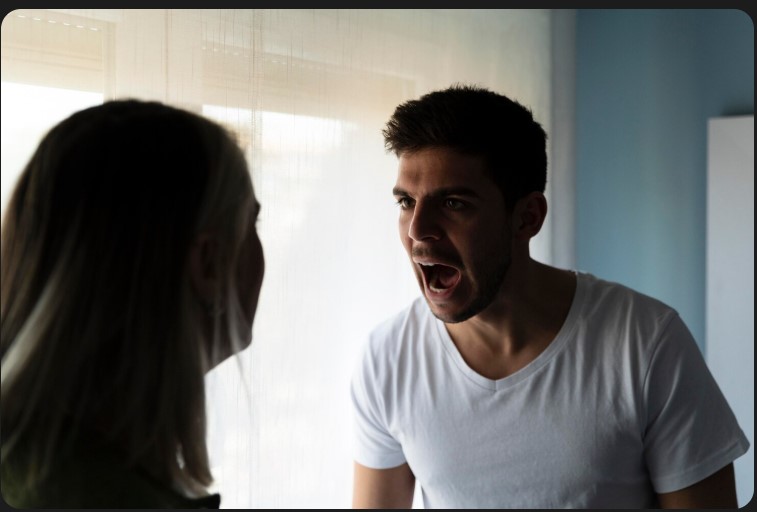
An affair often requires time.
That may mean unexplained late nights, unusual errands, unexpected work commitments, or changes in a person’s normal routine.
You might notice that your partner suddenly has:
- More late nights
- Unexplained appointments
- Frequent “work” commitments
- Last-minute changes of plans
- Periods when they are difficult to reach
- New routines that don’t make sense
- Gaps in their usual schedule
Again, an unusual schedule does not prove infidelity.
People genuinely have busy periods.
Work can become demanding.
Family responsibilities can change.
Unexpected situations happen.
The concern is a pattern of unexplained inconsistencies, particularly when your partner refuses to discuss them honestly.
6. They May Become More Distant Emotionally
After cheating, some people may struggle to behave normally around their partner.
They may feel guilt, confusion, emotional conflict, or fear about what they’ve done.
As a result, they might become less emotionally available.
You may notice:
- Less meaningful conversation
- Reduced affection
- Less interest in spending time together
- Increased irritation
- Emotional withdrawal
- A feeling that they’re physically present but mentally somewhere else
But emotional distance can have many causes.
Stress, depression, relationship conflict, exhaustion, financial pressure, and personal problems can all affect emotional availability.
That’s why one change shouldn’t be treated as a diagnosis.
Look at the broader relationship.
7. They May Start Overexplaining Their Whereabouts
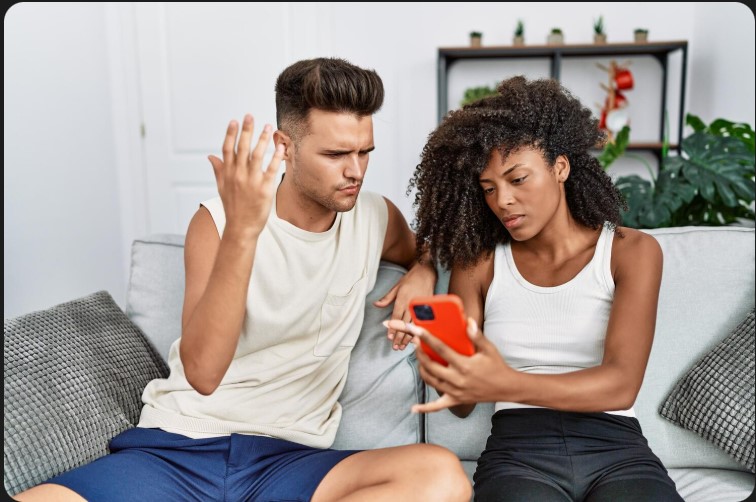
Another possible behavior after cheating is excessive explanation.
Someone who feels worried about being caught may provide unnecessary details about where they were, who they were with, or what they were doing.
For example, a simple question like:
“How was your evening?”
might receive an unusually long explanation.
They may offer information you didn’t even ask for.
This can sometimes happen when someone is trying to make their story sound believable.
But overexplaining can also happen because a person feels anxious or misunderstood.
The behavior becomes more meaningful when it appears alongside other unexplained changes.
Instead of trying to catch your partner in a contradiction, focus on whether communication between you is becoming more or less trustworthy.
8. They May Become More Secretive About Their Social Life
After cheating, some people may become more protective of their social interactions.
They may stop mentioning certain friends.
They might become vague about who they were with.
They may avoid discussing particular places or events.
Or they may suddenly separate parts of their social life from the relationship.
If the person involved in the affair is part of their social circle, this can make the situation especially complicated.
However, having private friendships isn’t automatically unhealthy.
Partners are still individuals and are allowed to have personal relationships and interests.
The concern is when secrecy becomes a consistent pattern that contradicts the expectations and trust established in the relationship.
Why Do People Behave Differently After Cheating?
There isn’t one universal reaction to infidelity.
People may respond differently depending on their personality, circumstances, feelings about the relationship, and fear of consequences.
Someone who cheats may experience:
- Guilt
- Anxiety
- Fear of being discovered
- Confusion
- Emotional attachment to another person
- Regret
- Shame
- Relief
- Defensiveness
- Indifference
And some people may show very few outward signs at all.
That’s why trying to identify cheating based entirely on behavior can be unreliable.
If you have concrete evidence, the situation is different.
But if you only have suspicions, it’s important not to turn every change in behavior into proof.
What If You Already Know Your Partner Cheated?
If the cheating has already been confirmed, your focus can shift from trying to identify signs to deciding what you need next.
You may feel angry.
You may feel betrayed.
You may question whether the relationship was ever what you thought it was.
You may even question yourself.
“How did I not see this?”
“Was there something wrong with me?”
“Can I ever trust this person again?”
Give yourself permission to process those emotions.
You don’t have to make an immediate decision about staying or leaving.
Femmenext’s guide on what to do after discovering infidelity explores practical steps you can take while you’re processing the situation:
What to Do After Discovering Your Partner Is Cheating: 9 Steps to Take
Don’t Immediately Blame Yourself
One of the most painful parts of discovering infidelity is wondering whether you somehow caused it.
You may start thinking:
“Was I not attractive enough?”
“Did I neglect my partner?”
“Was I not affectionate enough?”
“Did someone else give them something I couldn’t?”
Relationships can have problems.
Couples can become emotionally distant.
Communication can break down.
But relationship problems don’t force someone to cheat.
A person still makes their own decisions about how they respond to dissatisfaction.
They could communicate.
They could ask for counseling.
They could establish boundaries.
They could decide to leave.
Cheating is not the only available response to relationship problems.
So don’t turn your partner’s decision into a measurement of your personal worth.
What Should You Look For After the Cheating Is Discovered?
Once cheating is confirmed, the most important information often comes from what happens afterward.
Ask yourself:
Does your partner take responsibility?
Do they acknowledge what they did without making you responsible for their decision?
Are they honest?
Are they willing to answer reasonable questions and stop hiding important information?
Have they ended the affair?
If another relationship or affair is still continuing, rebuilding trust becomes extremely difficult.
Do they respect your boundaries?
If you’ve communicated what you need to feel safe, does your partner respect those boundaries?
Are their actions changing?
Promises matter less when they’re not followed by consistent behavior.
Femmenext has a detailed guide on recognizing whether a partner has genuinely stopped cheating:
How to Tell If Your Partner Has Actually Stopped Cheating
What Does Genuine Accountability Look Like?
Accountability is more than saying:
“I’m sorry.”
A meaningful apology generally involves acknowledging the harm caused and taking responsibility for the decision.
For example:
“I made a choice that betrayed your trust. I understand why you’re hurt, and I know rebuilding trust will take time.”
That’s different from:
“I cheated because you weren’t giving me enough attention.”
The second statement shifts responsibility back onto the betrayed partner.
Relationship problems may need to be addressed, but they shouldn’t be used to erase personal responsibility for cheating.
Can Trust Be Rebuilt After Cheating?
Sometimes it can.
But trust doesn’t return simply because someone promises:
“I’ll never do it again.”
It usually takes consistent behavior over time.
That can include:
- Honesty
- Accountability
- Transparency
- Respect for boundaries
- Patience
- Consistent communication
- Meaningful behavioral change
If you’re considering staying together and trying to repair the relationship, read:
How to Rebuild Trust After Cheating: 9 Things That Actually Help
Trust is not rebuilt in one conversation.
It’s rebuilt through repeated experiences that show you your partner’s words and actions are becoming more reliable.
What If You Can’t Trust Them Again?
You don’t have to force yourself to trust someone simply because they apologized.
You can love someone and still recognize that trust has been seriously damaged.
You can forgive someone and still need boundaries.
You can even decide that you want to try rebuilding the relationship while acknowledging that you’re not ready to trust them yet.
Forgiveness and trust are different.
Trust is something that generally has to be demonstrated over time.
If you’re struggling with this distinction, it may help to read:
Can You Forgive Someone Who Cheated on You? 10 Things to Consider
What If the Cheating Continues?
If the cheating continues, or if your partner repeatedly lies and violates boundaries, the situation becomes very different from a one-time betrayal followed by genuine accountability.
Repeated infidelity can make rebuilding trust significantly more difficult.
You may need to consider whether staying in the relationship is compatible with your emotional well-being.
You don’t have to make that decision because of an article.
Instead, consider the actual pattern in your relationship.
Ask:
Is my partner changing?
Do I feel increasingly safe or increasingly anxious?
Are boundaries being respected?
Am I seeing consistent accountability?
Do I still want this relationship?
These questions can help you think about the future based on reality rather than hope alone.
Final Thoughts
People can behave differently after cheating, but there is no single reaction that proves someone has been unfaithful.
A person may become more secretive.
They may become defensive.
They may suddenly become more affectionate.
They may withdraw emotionally.
They may change their routine.
Or they may appear completely normal.
That’s why one behavior shouldn’t automatically be treated as evidence.
If you’re suspicious but don’t have confirmation, focus on honest communication and the overall pattern rather than trying to investigate every small change.
If cheating has already been confirmed, the more important question becomes:
“What happens now?”
Look at accountability.
Look at honesty.
Look at boundaries.
Look at whether the cheating has actually stopped.
And most importantly, look at whether your partner’s actions consistently support their promises.
A relationship may sometimes recover after infidelity, but rebuilding requires more than regret.
It requires sustained effort, honesty, and a willingness to rebuild trust one step at a time.
And if you eventually decide that the relationship cannot provide the trust and respect you need, remember that you are allowed to make a decision that protects your own well-being.
0 Comments