

Finding out that your husband has cheated can trigger an overwhelming mix of anger, sadness, humiliation, confusion, and disappointment.
You may want to confront the other woman.
You may want to expose the affair.
You may want your husband to experience the same pain you are feeling.
Those reactions are understandable.
But there is another response that can be far more meaningful:
Stop making the other woman the center of your attention and start putting yourself at the center of your recovery.
The person who made a commitment to you was your husband. While the circumstances surrounding an affair can be complicated, your energy is often better spent deciding what you need rather than competing with or trying to punish another person.
The strongest response isn’t necessarily revenge.
It can be rebuilding your confidence, establishing boundaries, protecting your peace, and deciding what kind of relationship you are willing to accept.
Here are eight ways to respond to a cheating husband without allowing the affair to control your life.
1. Stop Competing With the Other Woman

One of the first things many betrayed wives do is compare themselves with the other woman.
You may wonder:
“Is she prettier than me?”
“Is she younger?”
“What does she have that I don’t?”
“Why did he choose her?”
These questions can consume your confidence.
But your husband’s decision to cheat doesn’t automatically mean the other woman is better than you.
People cheat for many different reasons, and an affair doesn’t provide a reliable measurement of someone’s attractiveness, worth, or value.
Instead of asking what she has that you don’t, ask yourself:
“Why am I allowing another person’s presence to determine how I see myself?”
You don’t need to defeat her.
You need to stop letting the situation defeat you.
2. Don’t Give the Affair More Power Over You
An affair can take over your thoughts.
You may constantly check your husband’s phone.
You may look at the other woman’s social media.
You may replay conversations.
You may search for details about what happened.
You may spend hours imagining what they said or did together.
Some information may be necessary for you to understand the situation. But there is a difference between seeking clarity and repeatedly exposing yourself to information that keeps reopening the wound.
If you’ve recently discovered infidelity, give yourself time before making major decisions. Femmenext’s guide on What to Do After Discovering Your Partner Is Cheating: 9 Steps to Take discusses how to slow down, understand what you actually know, establish boundaries, and decide what comes next.
You don’t have to investigate every detail to prove that your pain is real.
3. Let Your Husband Face the Consequences of His Choices
One of the most powerful things you can do is stop protecting your husband from the consequences of his behavior.
That doesn’t mean humiliating him.
It doesn’t mean destroying his belongings.
It doesn’t mean publicly exposing him.
It means allowing your boundaries to have consequences.
If you need space, take it.
If you need honesty, ask for it.
If you need counseling before considering reconciliation, say so.
If you cannot continue the relationship while the affair is ongoing, make that boundary clear.
A boundary isn’t:
“You have to do what I say.”
It’s:
“This is what I need in order to remain in this relationship.”
That difference matters.
4. Don’t Blame Yourself for His Decision to Cheat
After infidelity, it’s common to examine everything you believe you did wrong.
Maybe you weren’t affectionate enough.
Maybe you were busy.
Maybe you argued too much.
Maybe the relationship had become emotionally distant.
Maybe intimacy had changed.
Those relationship problems may deserve attention.
But they don’t mean you caused your husband to cheat.
There are healthier ways to respond to relationship problems, including honest communication, counseling, separation, or ending the relationship.
Your husband’s decision remains his responsibility.
And if he tries to make you responsible for his affair, pay close attention to whether he is actually taking accountability.
A meaningful apology should not require you to carry the blame for someone else’s decision.
5. Rebuild Yourself Instead of Trying to Destroy Them
If you’re looking for a form of “retaliation,” consider this:
Build a life that doesn’t revolve around what your husband did.
Take care of yourself.
Reconnect with friends.
Return to hobbies.
Focus on your career or personal goals.
Improve your financial independence.
Take care of your physical wellbeing.
Spend time doing things that make you feel like yourself again.
You don’t have to become a completely different person.
You simply need to remember that you existed before this betrayal, and you will continue to exist beyond it.
Your healing doesn’t need to be a performance designed to make your husband jealous.
Do it because you deserve to feel like yourself again.
6. Don’t Rush to Forgive Just to Make Everyone Comfortable
People may tell you to forgive.
Your husband may ask you to “move on.”
Family members may encourage you to forget what happened.
But forgiveness doesn’t have to happen on someone else’s schedule.
You can be open to forgiveness while still being angry.
You can forgive eventually without immediately trusting your husband.
You can forgive someone without deciding to stay married.
These are separate decisions.
Femmenext’s guide Can You Forgive Someone Who Cheated on You? 10 Things to Consider explores the difference between forgiveness, trust, and reconciliation.
You don’t owe anyone instant emotional recovery.
7. Watch His Actions Instead of His Promises
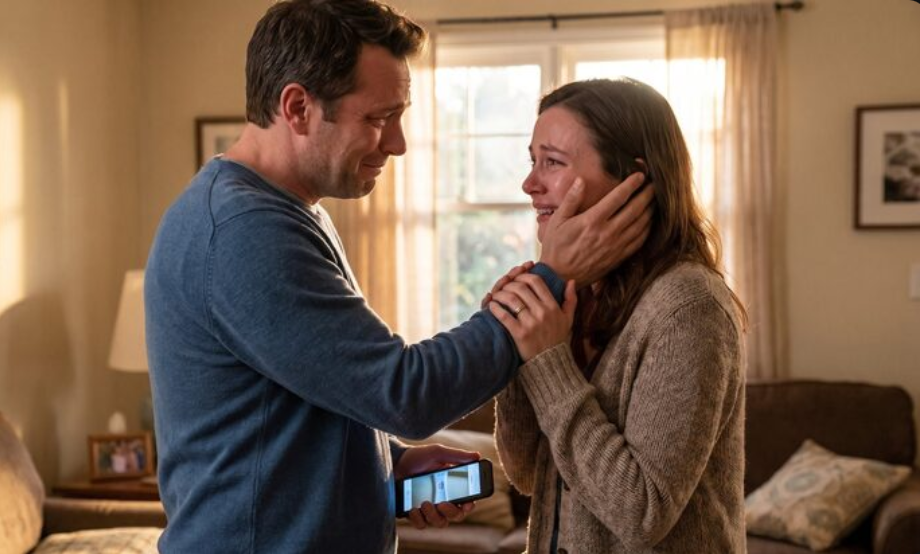
If your husband says he wants to save the marriage, don’t feel pressured to believe everything immediately.
Listen to his words, but watch his behavior.
Is he willing to take responsibility?
Does he answer reasonable questions honestly?
Has the affair actually ended?
Does he respect your boundaries?
Does he show patience when you struggle with trust?
Is he willing to make meaningful changes?
Does he understand that rebuilding trust takes time?
These questions matter because an apology is only the beginning.
Trust is rebuilt through repeated experiences of honesty and reliability, not through one emotional conversation.
If you’re unsure whether the cheating has actually stopped, read How to Tell If Your Partner Has Actually Stopped Cheating.
8. Decide What You Want Your Future to Look Like
Eventually, the focus needs to move beyond:
“What did he do?”
and toward:
“What do I want now?”
Maybe you want to rebuild the marriage.
Maybe you need a separation.
Maybe you’re not sure yet.
Maybe you eventually decide that leaving is the healthiest option for you.
You don’t have to make that decision simply to prove something to your husband or the other woman.
Take time to understand your needs.
Ask yourself:
- Do I feel respected?
- Is my husband taking responsibility?
- Has the affair ended?
- Can trust realistically be rebuilt?
- Are my boundaries being respected?
- Do I feel emotionally safe?
- Is my husband willing to do the work required to repair the relationship?
- What would staying require from both of us?
- What would leaving require from me?
These questions are much more important than figuring out how to make someone else suffer.
What Is the Best “Revenge” After Being Cheated On?
If you use the word “revenge” at all, let it mean something different.
Don’t destroy your husband’s reputation.
Don’t harass the other woman.
Don’t post private information online.
Don’t damage property.
Don’t cheat back simply to make him feel what you felt.
Instead:
Protect your peace.
Improve your life.
Strengthen your confidence.
Set boundaries.
Become financially and emotionally grounded.
Choose relationships where respect is mutual.
That kind of response doesn’t depend on whether your husband regrets what he did.
It depends on you.
What If Your Husband Wants Another Chance?
A second chance should not mean pretending nothing happened.
If you are considering reconciliation, look at what your husband is actually willing to do.
Ask:
Has the affair completely ended?
A relationship cannot realistically rebuild trust while the betrayal is still happening.
Does he accept responsibility?
There is a major difference between:
“I hurt you, and I take responsibility.”
and:
“I cheated because you weren’t giving me enough attention.”
The second response shifts responsibility away from the person who made the decision.
Is he willing to rebuild trust?
Trust may take considerable time to recover after betrayal. It requires consistent behavior, honesty, patience, and respect for boundaries.
Is he willing to address the problems in the marriage?
Ending an affair doesn’t automatically repair the relationship.
The couple may still need to address communication, emotional distance, resentment, intimacy, finances, or other unresolved issues.
What If He Doesn’t Change?
This is where your boundaries become important.
You cannot force another person to become accountable.
You can only decide what you will and will not accept.
If your husband continues cheating, lies repeatedly, refuses accountability, or ignores the boundaries you’ve established, you may need to reconsider what continuing the relationship means for you.
If the cheating has happened repeatedly, Femmenext’s Should You Stay After Repeated Cheating? 10 Questions to Consider provides additional questions to consider rather than making the decision based only on anger or fear.
Don’t Let His Affair Change Who You Are
One of the cruelest effects of betrayal is that it can change how you see yourself.
You may become suspicious.
You may struggle to trust.
You may constantly compare yourself with other women.
You may question whether you’re attractive enough.
You may become afraid that everyone you love will eventually hurt you.
Give yourself time to heal.
What happened may become part of your story, but it doesn’t have to become your identity.
You are still capable of friendship.
You are still capable of love.
You are still capable of happiness.
And you are still allowed to have a future that has nothing to do with your husband’s affair.
If You Decide to Stay

Staying doesn’t mean you’re weak.
It also doesn’t mean you have to pretend the betrayal didn’t happen.
If you decide to stay, the relationship needs to become something different from what it was before.
That may require:
- Honest conversations
- Clear boundaries
- Accountability
- Consistent behavior
- Transparency where appropriate
- Patience
- Rebuilding emotional connection
- Addressing unresolved relationship problems
If you’re trying to reconnect after betrayal, How to Bring Back Emotional Connection in Your Marriage offers practical ideas for rebuilding closeness while recognizing that emotional reconnection becomes more complicated when trust has been damaged.
If You Decide to Leave
Leaving can also be an act of self-respect.
You don’t have to leave because someone tells you to.
You don’t have to stay because someone tells you that marriage must always be preserved.
You can consider your circumstances, your needs, your emotional wellbeing, your finances, your children if applicable, and the behavior of your partner.
Leaving doesn’t erase the years you shared.
It doesn’t mean you never loved him.
It simply means you’re choosing a different direction for your life.
Final Thoughts
The best response to a cheating husband doesn’t have to involve his girlfriend at all.
You don’t need to compete with her.
You don’t need to destroy her.
You don’t need to prove that you’re better than her.
And you don’t need to spend the rest of your life trying to make your husband regret what he did.
Your energy is more valuable than that.
Use it to rebuild your confidence.
Use it to protect your peace.
Use it to understand your boundaries.
Use it to decide what kind of relationship you want.
And if you choose to give your marriage another chance, make sure you’re looking for more than an apology.
Look for accountability.
Look for consistency.
Look for honesty.
Look for meaningful change.
Because the real goal after betrayal isn’t making another person suffer.
It’s making sure their choices don’t determine the rest of your life.
Frequently Asked Questions
What is the best response to a cheating husband?
A constructive response is to give yourself time to process what happened, establish clear boundaries, avoid impulsive retaliation, and decide what you need from the relationship. If reconciliation is possible, accountability and consistent behavior matter.
Should I confront the other woman?
You don’t have to. In many situations, focusing on your husband’s choices and your own boundaries is more productive than turning the situation into a competition with the other person.
Should I cheat back to get revenge?
Cheating back may create another layer of hurt without resolving the original betrayal. If you’re angry, give yourself time to process the emotion before making decisions that could create additional consequences.
How can I make my cheating husband regret losing me?
Rather than trying to manufacture regret, focus on rebuilding your own life. Take care of yourself, strengthen your independence, reconnect with people you love, and make decisions based on your wellbeing.
Can a marriage survive after cheating?
Some relationships do recover, but staying together doesn’t automatically repair the damage. Both partners need to be willing to address the betrayal, rebuild trust, communicate honestly, and make meaningful changes.
How long does it take to rebuild trust after cheating?
There is no universal timeline. Trust generally develops gradually through repeated honesty, accountability, consistency, and respect for boundaries.
Should I forgive my husband if he cheated?
Forgiveness is a personal decision and does not have to happen immediately. You can eventually forgive someone without forgetting what happened, trusting them immediately, or deciding to remain married.
0 Comments